
info@lmfiltermaterial.com
info@chinapulan.org
info@lmfiltermaterial.com


Jan . 28, 2026
In various industrial processes and environmental control systems, air and gas purification is crucial. High quality honeycomb activated carbon filters play a vital role in removing pollutants, odors, and harmful substances. This article delves into the benefits, applications, and key features of these filters, exploring why they are an essential component for maintaining air quality and process efficiency. From industrial emissions control to water purification, the versatility of honeycomb activated carbon filters is becoming increasingly important. We’ll examine how they outperform traditional methods and why choosing a reliable supplier like MFilterSolution is paramount.
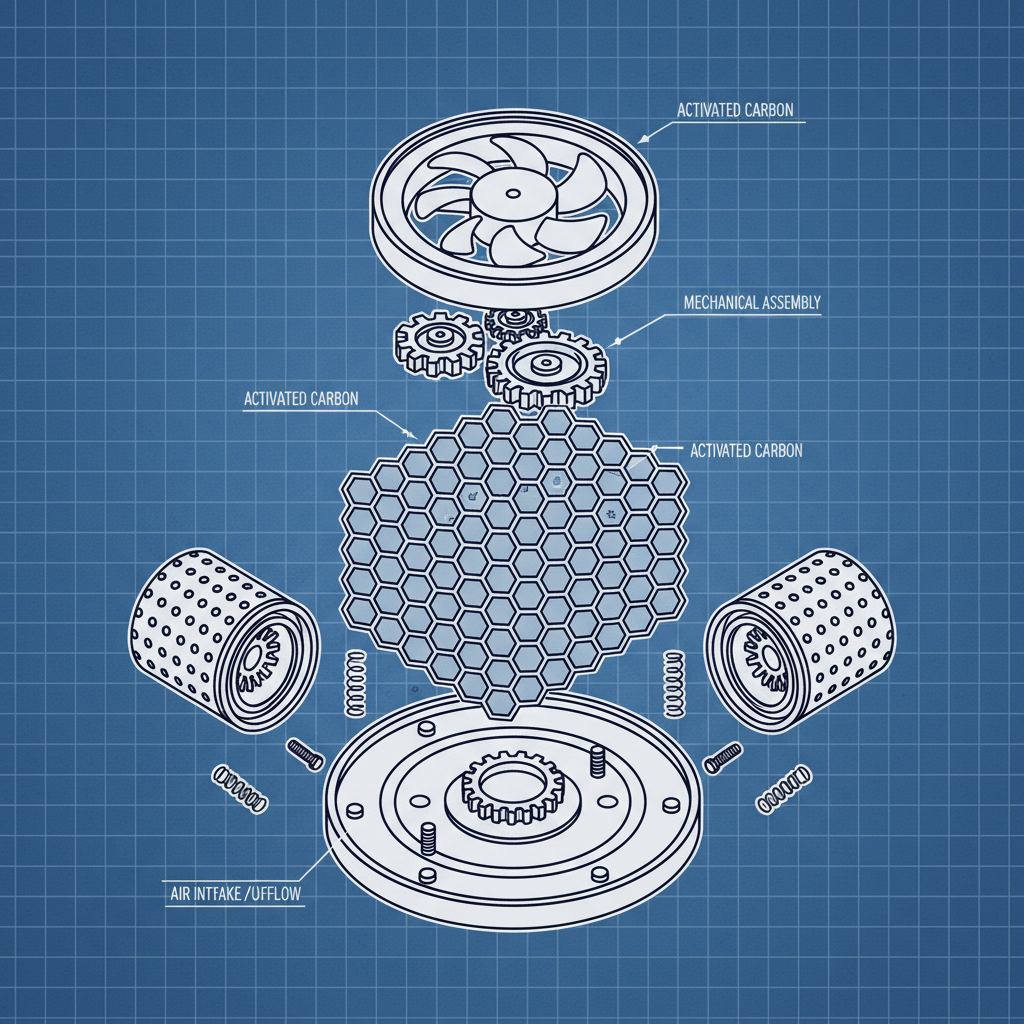
Honeycomb activated carbon filters utilize activated carbon structured in a honeycomb matrix. This design significantly increases the surface area available for adsorption compared to granular activated carbon (GAC), enabling greater efficiency in removing contaminants. The honeycomb structure also minimizes pressure drop, leading to lower energy consumption and improved system performance. Activated carbon itself is created by processing carbon-rich materials like coal, wood, or coconut shells to create a highly porous substance. These pores trap pollutants through adsorption, a process where molecules adhere to the surface of the carbon. A high quality filter uses premium activated carbon and precise manufacturing techniques for optimal performance.
Key Highlights: Increased surface area for enhanced adsorption, minimal pressure drop for energy efficiency, and durable honeycomb structure for long-lasting performance.
The versatility of honeycomb activated carbon filters makes them suitable for a wide range of applications. These include volatile organic compound (VOC) removal in industrial settings, odor control in wastewater treatment plants, air purification in HVAC systems, gas purification in chemical processing, and even specialized applications like removing mercury from flue gas. Their ability to effectively capture a variety of pollutants makes them a crucial component in ensuring environmental compliance and protecting public health. Choosing the right filter type, based on the specific contaminants present, is key to maximizing performance. MFilterSolution offers customized filter solutions tailored to specific application needs.
Key Application Areas:
• Industrial VOC Removal
• Wastewater Treatment (Odor Control)
• HVAC Air Purification
• Gas Purification in Chemical Processing
While both honeycomb and granular activated carbon are effective adsorbents, they differ significantly in performance and suitability for various applications. Honeycomb filters offer a larger surface area per unit volume, resulting in higher adsorption capacity and efficiency. GAC, on the other hand, can experience channeling, reducing contact time between the air/gas stream and the carbon. The honeycomb structure also provides lower pressure drop, reducing energy costs and improving airflow. Consider the following comparison:
Several factors influence the effectiveness and longevity of honeycomb activated carbon filters. Contaminant concentration, airflow rate, humidity, and temperature all play a role. High concentrations of pollutants will naturally shorten the filter's lifespan, requiring more frequent replacement. Proper pre-filtration to remove particulate matter is also critical, as dust and debris can clog the carbon pores, reducing their adsorption capacity. Regular monitoring of pressure drop across the filter can indicate when replacement is necessary. MFilterSolution provides expert guidance on filter selection, installation, and maintenance to optimize performance.
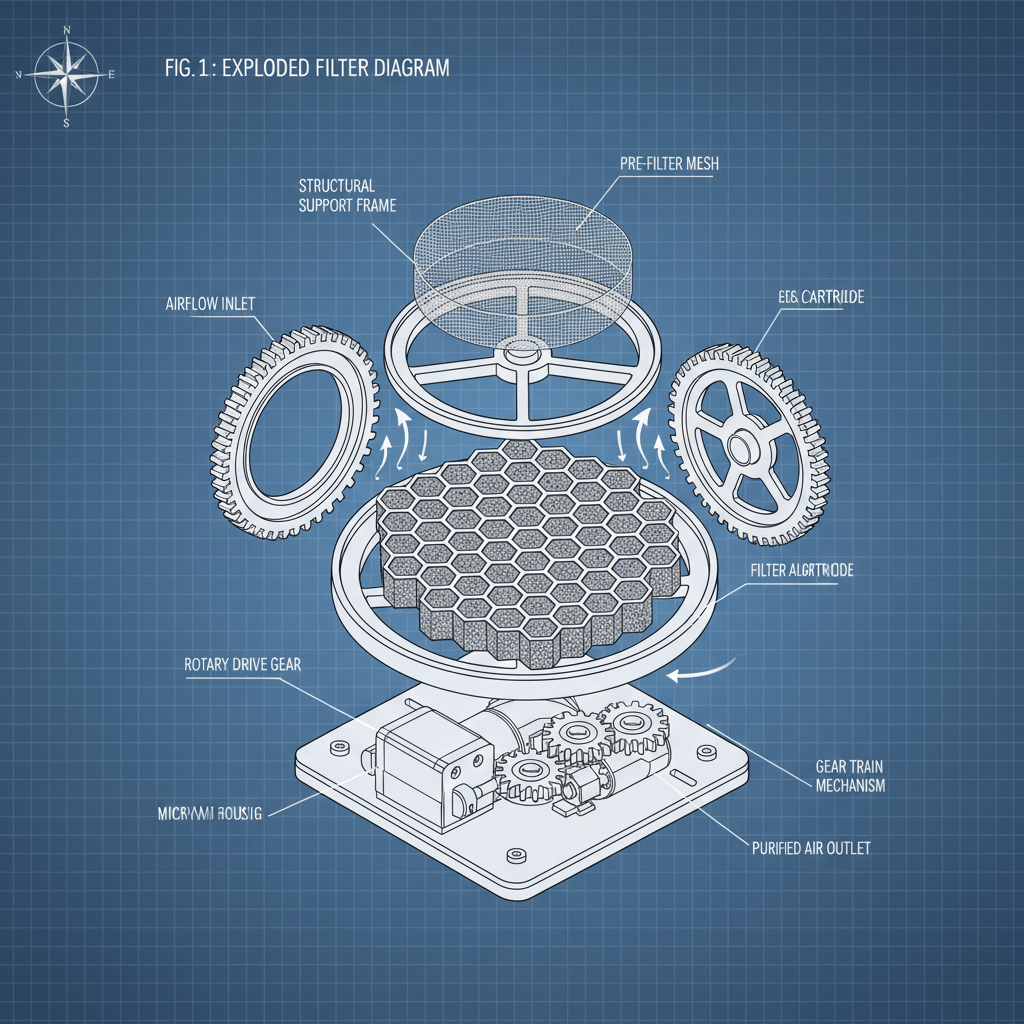
Choosing the right honeycomb activated carbon filter requires careful consideration of your specific needs. Determine the type and concentration of contaminants you need to remove. Assess the airflow rate and temperature of the system. Select a filter with an appropriate carbon loading and a honeycomb structure designed for optimal performance. Consider the filter’s pressure drop characteristics and ensure it's compatible with your existing system. Working with a reputable supplier like MFilterSolution can provide expert assistance in selecting the ideal filter for your application.
Investing in high quality honeycomb activated carbon filters is a critical step towards maintaining air quality, protecting equipment, and ensuring regulatory compliance. MFilterSolution provides a comprehensive range of filters tailored to diverse applications, backed by expert support and reliable performance. Don't compromise on air quality – choose MFilterSolution for a cleaner, healthier, and more efficient future.
The replacement frequency depends on several factors, including contaminant load, airflow rate, and filter quality. A good rule of thumb is to monitor the pressure drop across the filter. When the pressure drop increases significantly (typically 2-3 times the initial value), it indicates the carbon is saturated and needs replacement. Visual inspection for damage or carbon breakthrough is also recommended. MFilterSolution can provide tailored recommendations based on your specific application and operating conditions. Generally, filters are replaced every 6-12 months, but this can vary significantly.
Honeycomb activated carbon filters are highly effective at removing a wide range of contaminants, including volatile organic compounds (VOCs), odors, hydrogen sulfide, mercury vapor, and other harmful gases. The specific effectiveness depends on the type of activated carbon used and the design of the filter. Activated carbon excels at adsorbing organic compounds due to its porous structure. MFilterSolution offers filters with specialized activated carbon formulations to target specific contaminants.
While some activated carbon filters can be regenerated through thermal or chemical processes, it’s often not practical or cost-effective for honeycomb filters in most applications. The regeneration process can be complex and may not fully restore the carbon’s adsorption capacity. In many cases, replacing the filter is more efficient and reliable. However, specialized regeneration services are available for certain applications; contact MFilterSolution to explore options.
High humidity can reduce the adsorption capacity of activated carbon, as water molecules compete with contaminants for adsorption sites. However, specialized activated carbon formulations are available with improved moisture resistance. It’s important to select a filter designed for high-humidity environments and consider pre-filtration to remove excess moisture. MFilterSolution can recommend the appropriate filter type for your specific conditions.