
info@lmfiltermaterial.com
info@chinapulan.org
info@lmfiltermaterial.com


Jan . 28, 2026
Maintaining the quality of your deep fryer oil is critical for food safety, taste, and cost-effectiveness. A high quality deep fryer oil filter is an essential investment for any commercial kitchen. This article will delve into the importance of oil filtration, different filter types, what to look for in a quality filter, and how MFilterSolution can provide the ideal solution for your needs. Keeping your oil clean improves food quality, extends oil life, and ultimately boosts your bottom line.
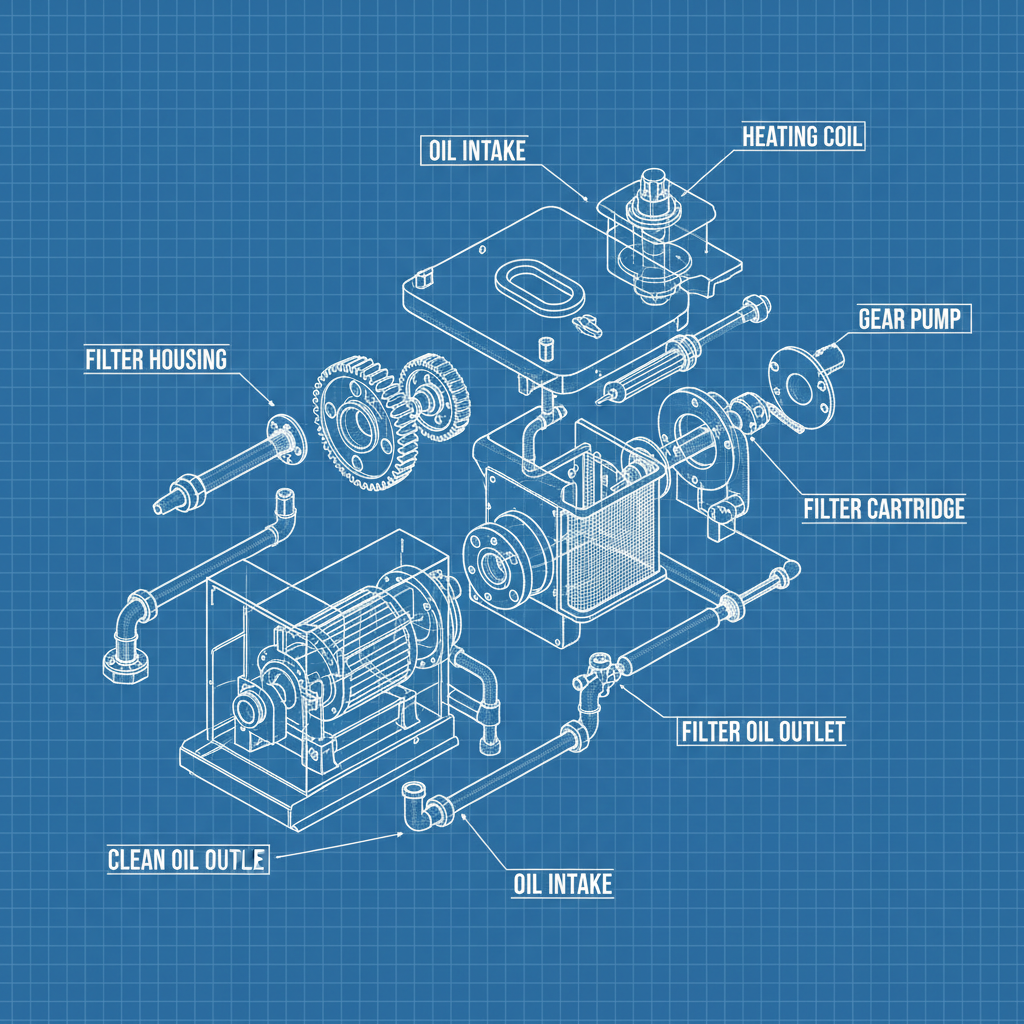
Filtering deep fryer oil removes food particles, carbon buildup, and other contaminants that degrade oil quality. Dirty oil leads to off-flavors in fried foods, faster oil breakdown, and potential health concerns. Regular filtration extends the life of your oil, reducing the frequency of oil changes and saving you money. Furthermore, consistent oil quality ensures a better dining experience for your customers. Without proper filtration, you’re losing money and potentially compromising food safety. It's a simple maintenance step with significant returns.
Key Benefits: Extends oil life, improves food quality, reduces costs, ensures food safety, and minimizes environmental impact.
There are several types of filters available, each with its own advantages and disadvantages. These include: Paper filters, which are inexpensive but have a lower filtration capacity; Mesh filters, which are reusable but require frequent cleaning; and Filter envelopes, which offer a good balance of cost and effectiveness. Choosing the right type of filter depends on your volume, oil type, and budget. Some systems also incorporate disposable filter bags for enhanced convenience. Understanding the pros and cons of each type will help you make an informed decision.
Filter Type Comparison:
• Paper Filters: Low cost, disposable, lower filtration capacity.
• Mesh Filters: Reusable, requires cleaning, good filtration capacity.
• Filter Envelopes: Balanced cost and effectiveness, disposable.
When selecting a filter, consider the micron rating, material, and compatibility with your fryer. A lower micron rating indicates a finer filter, capable of removing smaller particles. Look for filters made from food-grade materials that won't leach into the oil. Ensure the filter fits your fryer properly and is easy to install and remove. A robust filter construction prevents tearing and ensures consistent performance. Investing in a quality filter from a reputable supplier like MFilterSolution will save you time and money in the long run.
At MFilterSolution, we offer a comprehensive range of high quality deep fryer oil filters designed to meet the needs of any commercial kitchen. We provide filters of various micron ratings, materials, and sizes to ensure compatibility with your fryer. Our team of experts can help you select the right filter for your specific application. We are committed to providing reliable products and exceptional customer service.
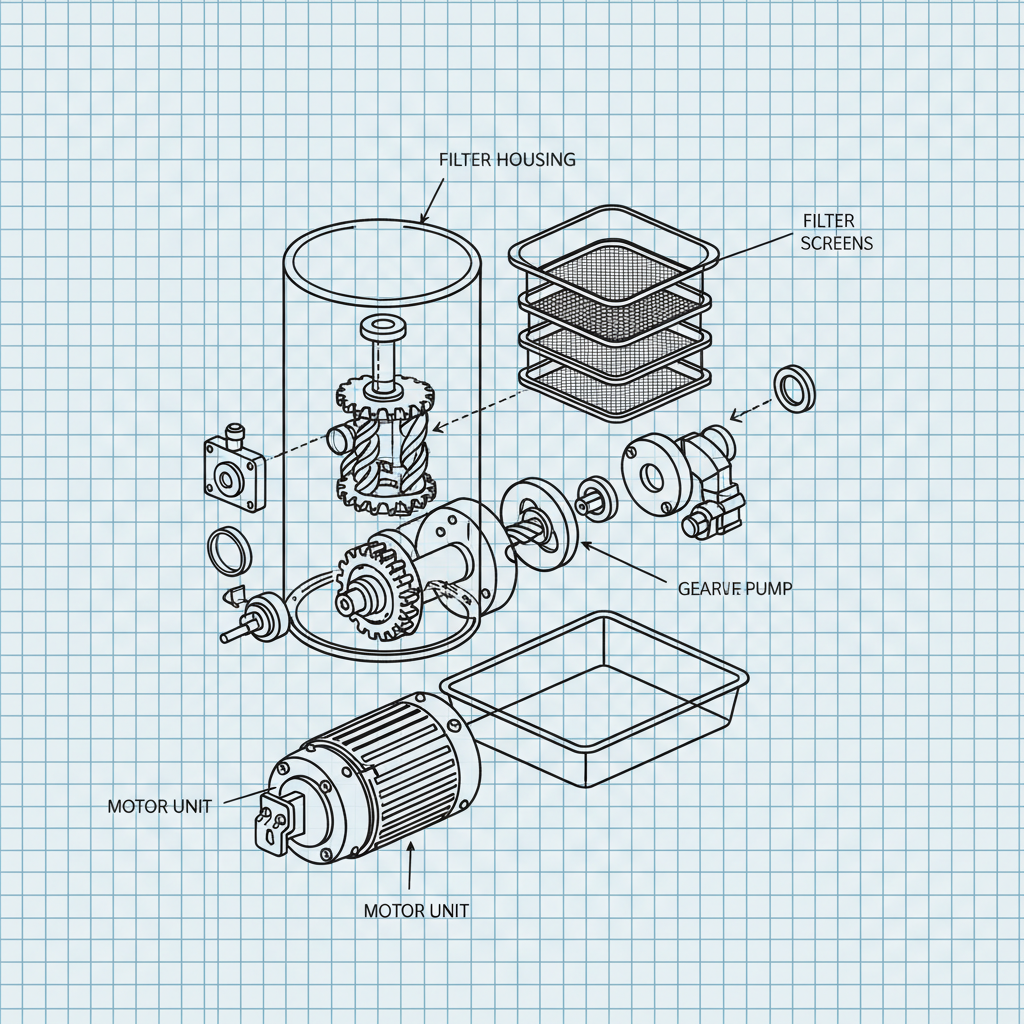
Here are the detailed specifications for our popular MFilter Pro model:
Investing in a high quality deep fryer oil filter from MFilterSolution is a smart business decision. It protects your investment in cooking oil, improves food quality, and ensures a safe and efficient kitchen operation. Don’t compromise on quality – choose MFilterSolution for all your oil filtration needs.
The frequency of filter changes depends on your frying volume and the type of food being fried. As a general guideline, you should change your filter every 25-50 pounds of fried food. However, always inspect the filter regularly for clogging or damage. If the oil becomes cloudy or develops an off-flavor, replace the filter immediately. Consistent filtration is key to maintaining oil quality and extending its lifespan.
Used oil filters should be disposed of responsibly. Never pour oil down the drain, as this can cause significant environmental damage. Instead, collect the used oil and filters in a designated container and contact a local oil recycling center. Many restaurants have contracts with companies specializing in grease collection and recycling. Ensure the filters are completely drained of oil before disposal to minimize mess and prevent fire hazards.
While some filters are compatible with multiple oil types, it’s generally best to use a filter specifically designed for the oil you are using. Different oils have different compositions and may require different filtration levels. Using the wrong filter can reduce its effectiveness and potentially affect the flavor of your fried foods. Refer to the filter manufacturer’s recommendations for compatibility information.
You can purchase high quality deep fryer oil filters directly from our website at MFilterSolution. We offer a wide selection of filters to suit your needs, along with competitive pricing and fast shipping.
Active Carbon Air Filter for Air Purifier - Odor & VOC