High Quality F5, F6, F7, F8, F9 Pocket Air Filters: What You Need to Know
Having spent more than a decade working hands-on in industrial HVAC and air filtration, I’ve seen firsthand how crucial high quality pocket air filters are to any clean air system — especially when you’re trying to meet strict particle and contamination standards. Those filter classes from F5 through F9 (according to EN 779) can be a bit baffling if you’re not deep in the sector, but they’re basically your go-to options for maintaining indoor air quality in commercial or industrial environments.
Oddly enough, what might seem like just “a filter” actually plays a subtle but powerful role in protecting equipment and even worker health by trapping airborne particles, dust, and some allergens. I remember once a client struggling with premature fan motor failures — switching to a more efficient F7 pocket filter extended their equipment life considerably. It’s those small details that add up.
Why F5 to F9 Matters
Let’s get a little technical without getting boring. The EN 779 standard classifies filters based on their particle removal efficiency, with F5 offering moderate filtration moving up to F9 which approaches true fine filtration. In real terms:
- F5: Good for general dust and larger particles.
- F6–F7: Popular mid-range filters capturing finer particulates, often used in office buildings or schools.
- F8–F9: Near HEPA-level efficiency for critical spaces — hospitals, labs, clean manufacturing.
It feels like choosing the right filter grade is a balancing act: efficiency versus energy consumption and pressure drop. The higher the filter grade, the denser the media and the greater the resistance to airflow — which, frankly, impacts operating cost.
Materials and Design: Pocket Filters Take the Lead
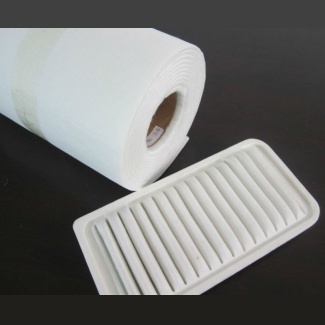
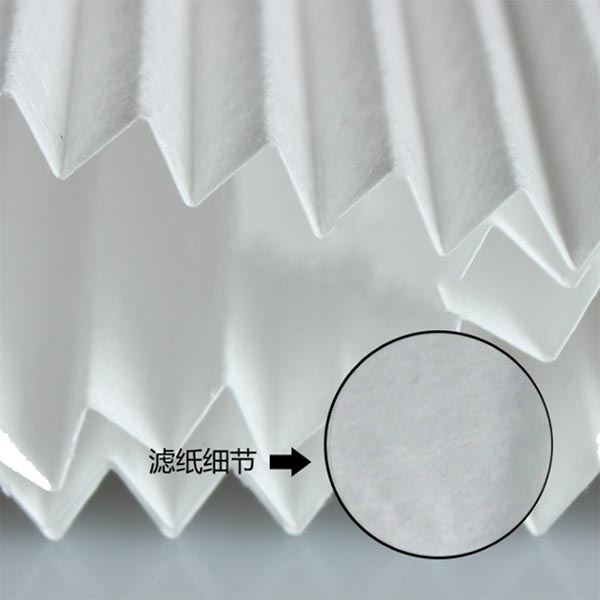
Pocket filters aren’t your basic flat panel. They’re crafted with multiple pockets or pockets made of synthetic or glass fiber media that provide a large surface area while keeping size compact. This design reduces pressure drop and extends service life. Plus, many now feature sturdy galvanized steel frames and polyurethane sealants — things you might overlook but that really boost durability, especially in harsh environments.
| Specification |
Details |
| Filter Classes |
F5, F6, F7, F8, F9 (EN 779) |
| Media |
Synthetic fiber / Glass fiber |
| Frame |
Galvanized steel / Aluminum |
| Efficiency Range |
45% to 95% particle capture |
| Recommended Change Interval |
Every 6–12 months (depending on usage) |
| Operating Temperature |
Up to 70°C |
Choosing the Right Vendor: What to Look For
From my experience consulting for various facilities, the vendor makes a significant difference. You need reliable quality testing — most reputable filter makers offer ISO-certified labs or third-party testing reports for filtration efficiency, resistance, and dust holding capacity. Some even customize pockets' depth or media density, which is a win-win for longer life and better energy use.
| Vendor |
Certification |
Customization |
Price Range |
Lead Time |
| MFilterSolution |
ISO 16890 & ISO 9001 |
Yes, media & frame options |
Competitive |
2-4 weeks |
| Vendor B |
ISO 9001 |
Limited |
Higher |
4-6 weeks |
| Vendor C |
None |
No |
Low |
1-2 weeks |
One Last Thing: Real-World Context
It’s easy to get lost in specs, but when a factory I consulted for switched their older filters for a lineup of F8 pocket filters from a trusted vendor, their air quality noticeably improved — dust levels dropped, employee complaints related to allergies vanished, and HVAC system maintenance frequency decreased. That anecdote isn’t rare; I've heard similar stories over the years. Truly, investing in quality—from high quality pocket air filters and vendor know-how—pays off.
So, if you’re sourcing filters, I suppose this tiny but mighty piece of your air system deserves careful attention. Don’t skimp on efficiency or quality claims, and ask plenty of questions about testing and certifications. It’s not just about clean air—it’s about your equipment’s health, your facility’s productivity, and frankly, peace of mind.
Thanks for reading—if you want to dig deeper, check out the specs and vendors above, and maybe you’ll find the filter that fits your setup just right.
References:
1. EN 779:2012 – European Standard for Air Filter Testing.
2. ISO 16890 – Air filter efficiency international standard.
3. HVAC industry case studies on filter efficiency and lifecycle costs.