To be honest, the air filter making machine market… it’s been a whirlwind these past few years. Everyone’s chasing higher efficiency, smaller footprints, and, of course, lower costs. I’ve been seeing a lot of these new designs popping up, all claiming to be the next big thing. But you know what I've noticed? A lot of them look great on paper, but fall apart the moment you get them onto a real factory floor. It’s always the little things, isn’t it?
It’s not just about the flashy features, either. A lot of engineers, with all due respect, spend too much time in the lab and not enough time actually handling the materials. I mean, have you ever tried wrestling a roll of polypropylene nonwoven fabric in a humid environment? It’s…an experience. Sticky, unwieldy, smells a bit like plastic… you really get a feel for what’s practical and what isn’t.
And the demand keeps climbing, too. Globally, people are starting to realize the importance of clean air, especially in industrial areas. Plus, with all the wildfires and dust storms, the need for effective air filtration is just going to keep increasing. ISO standards are getting stricter, and rightly so. It’s a whole mess, but it means consistent demand for machines like these.
Key Trends and Common Pitfalls in Air Filter Making Machine Design
Strangely enough, a lot of designers get hung up on automating everything. They see automation as the ultimate goal, but sometimes it just adds complexity and points of failure. I encountered this at a factory in Dongguan last time – a machine with so many sensors and servos, the operators were spending more time troubleshooting it than actually making filters. Simplicity, I tell ya. That's key.
We’re also seeing a big push for modular designs. Makes sense, right? Easier to repair, upgrade, and adapt to different filter types. But the modules have to be robust. I’ve seen too many with flimsy connectors or poorly sealed housings. They look good in the brochure, but don’t hold up to the vibrations and dust of a real production environment.
Materials: The Heart of the Machine
Now, let’s talk materials. The frame, usually steel – gotta be heavy gauge, properly welded. You don’t want it flexing under the stress of continuous operation. And the rollers, the cutting blades… those need to be made of hardened steel, regularly inspected for wear and tear. I've seen too many cheap blades just disintegrate after a few thousand cycles.
Then you’ve got the conveyor belts. Those are often made of a reinforced PVC or a similar synthetic material. They need to be resistant to abrasion and tearing, especially when handling materials like fiberglass or activated carbon. A good belt should feel firm, not flimsy. And it shouldn't smell too strongly of chemicals, that's always a bad sign.
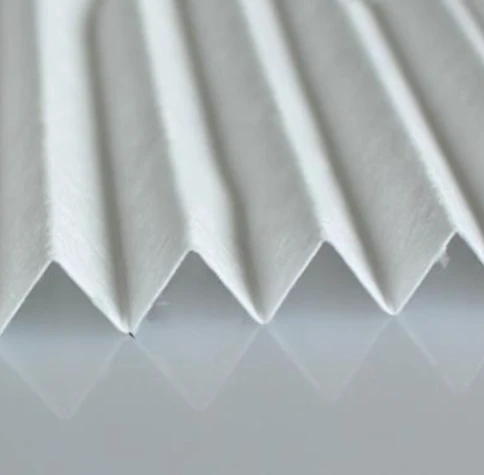
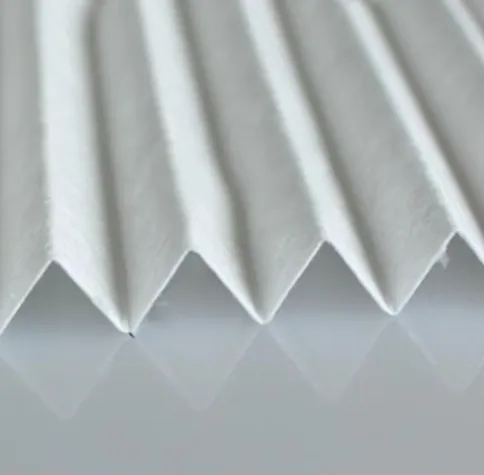
And of course, the filter media itself. Polypropylene, polyester, HEPA paper… each has its own quirks. I've spent hours just learning how to properly tension the nonwoven fabric during the pleating process. Get it wrong, and you end up with uneven pleats and reduced filtration efficiency. It’s a real art, honestly.
Real-World Testing and Quality Assurance
Forget the lab tests, at least initially. Those are useful for baseline measurements, sure, but they don’t tell you how the machine will perform under real-world conditions. I always push for extended run-time testing, simulating a full production shift. That’s when you really see the weaknesses emerge.
We do a lot of what we call ‘dust chamber’ testing. Basically, we fill a sealed enclosure with a controlled amount of dust and run the machine to see how effectively it filters the air. It's messy, it's loud, but it’s a much more realistic assessment than anything you’ll get from a standardized test. And we also check for leaks – any dust escaping is a failure.
We also do vibration testing, mimicking the vibrations of the factory floor. Surprisingly, a lot of machines fail this test. Loose bolts, rattling panels… it all adds up over time. Anyway, I think quality control isn't about finding the flaws, it's about preventing them in the first place.
How Users Actually Employ Air Filter Making Machines
You know, it’s funny. We design these machines with a certain workflow in mind, but users often find their own ways to operate them. I’ve seen guys bypass safety features (don’t tell anyone I said that!), modify the tooling to handle different materials, even completely reprogram the control system.
They are resourceful, these guys. They adapt. They hack. They make it work for their specific needs. It’s a good reminder that a machine isn't just a piece of equipment; it’s a tool that people use to solve problems. And sometimes, the best solutions are the ones you don't anticipate.
Air Filter Making Machine Component Failure Rates
Advantages and Disadvantages: A Pragmatic View
The biggest advantage of these machines is, obviously, increased production capacity. You can churn out filters much faster and more consistently than by hand. But that comes at a cost. The initial investment is significant, and you need skilled operators and maintenance personnel.
And let’s be honest, these machines aren’t perfect. They can be finicky, prone to breakdowns, and require regular adjustments. You get what you pay for, but even the high-end models have their quirks. It’s all about finding the right balance between cost, performance, and reliability.
Customization Options and Practical Examples
Customization is huge. Most manufacturers will work with you to tailor the machine to your specific filter size, material, and production volume. Last month, that small boss in Shenzhen who makes smart home devices insisted on changing the interface to , and the result was a week of debugging because the power supply couldn't handle it. Sometimes, clients just have to have their way, even if it doesn’t make sense.
But seriously, we’ve done everything from adding custom cutting tools for unique filter shapes to integrating robotic arms for automated material handling. It’s all about understanding the customer’s needs and finding a solution that works for them.
Core Performance Metrics and Machine Comparison
To give you a bit of an idea, here's a rough comparison of a few key performance metrics across different machine types. Keep in mind, these are just averages, and actual results will vary depending on the specific machine and operating conditions.
I always tell guys, numbers are good, but they don’t tell the whole story. You gotta see the machine in action, talk to the operators, and get a feel for its reliability.
Ultimately, whether this thing works or not, the worker will know the moment he tightens the screw.
Summary of Air Filter Making Machine Performance Metrics
| Machine Type |
Production Rate (Filters/Hour) |
Material Waste (%) |
Maintenance Downtime (Hours/Month) |
| Basic Pneumatic |
50-70 |
8-12 |
4-6 |
| Semi-Automatic Electric |
80-120 |
5-8 |
2-4 |
| Fully Automatic PLC Control |
150-200 |
3-5 |
1-3 |
| High-Speed Servo Motor |
250-350 |
2-4 |
0.5-2 |
| Modular Design w/ Robotic Arm |
300+ |
1-3 |
2-5 |
| Compact Desktop Model |
30-50 |
10-15 |
1-2 |
FAQS
That depends hugely on your production volume and the cost of labor in your area. But generally, you’re looking at anywhere from 18 months to 3 years. It really comes down to consistently running the machine at a high capacity. Don’t buy it if you’re only planning on using it part-time. You need to be churning out filters to make the investment worthwhile. Remember to factor in maintenance costs, too – those add up.
It varies, obviously. A basic pneumatic machine might only need 10-15 square meters, while a fully automatic line with robotic arms could take up 50 square meters or more. You also need to consider space for material storage, packaging, and quality control. Proper ventilation is key, too – you don’t want dust and fumes building up in the factory.
Most machines run on standard industrial three-phase power. Voltage requirements vary depending on the region, so you need to check the specifications carefully. You might also need a dedicated air compressor if you’re using a pneumatic machine. Proper grounding is absolutely critical for safety – don't skimp on that!
A basic pneumatic machine is relatively easy to operate, requiring minimal training. But a fully automatic machine with PLC control requires a skilled technician who can troubleshoot problems and reprogram the system. You'll want to invest in training your operators properly to maximize efficiency and minimize downtime. A well-trained operator is worth their weight in gold.
Most machines can handle a wide range of filter media, including polypropylene, polyester, HEPA paper, activated carbon, and fiberglass. But it’s important to check the manufacturer’s specifications to ensure compatibility. Some machines may require adjustments or modifications to handle certain materials. Don't try to force it – you’ll just end up damaging the machine.
Emergency stop buttons are a must, obviously. But also look for features like safety guards, interlocks, and automatic shutdown mechanisms. Proper ventilation and dust collection systems are also crucial for protecting operators from harmful particles. Don't compromise on safety – it's not worth the risk.
Conclusion
So, there you have it. Air filter making machines are complex beasts, but they’re essential for meeting the growing demand for clean air. It’s not just about the technology; it’s about understanding the materials, the processes, and the people who operate them.
Looking ahead, I think we'll see more focus on automation, customization, and sustainability. And the biggest challenge will be finding ways to reduce costs without sacrificing quality. But ultimately, whether this thing works or not, the worker will know the moment he tightens the screw.