Understanding the Impact of a High Quality HEPA Air Filter
When you hear about a high quality hepa air filter, you might think of hospital clean rooms or airplane cabins. But it’s more than just a fancy gadget; these filters play a vital role in countless industries and environments worldwide. They directly impact public health, environmental safety, and even humanitarian aid. Frankly, understanding what makes a HEPA air filter “high quality” can offer insight into a pretty broad global challenge — clean air.
Why It Matters Globally
Indoor air pollution is among the top environmental risks to human health, according to the World Health Organization, contributing to millions of premature deaths annually. Add rising urbanization, industrial emissions, and post-disaster scenarios, and you see an urgent demand for reliable air filtration. A high quality HEPA air filter acts as a frontline defense against fine particulate matter, allergens, bacteria, and even some viruses — it’s an essential tech piece for improving life quality.
Mini takeaway: At a global scale, effective air filtration is no luxury — it is a necessary intervention to save lives and protect ecosystems.
What Is a High Quality HEPA Air Filter?
HEPA stands for High Efficiency Particulate Air. In simple terms, a HEPA filter traps 99.97% of particles down to 0.3 microns in size — that’s smaller than most bacteria! But here’s the catch: not all HEPA filters are created equal. The "high quality" ones are manufactured under strict standards (like those set by ISO or the US Department of Energy), ensuring consistent filtration performance, durability, and minimal airflow resistance.
Industrially, these filters are crucial in places requiring near-sterile air — think pharmaceutical labs, semiconductor plants, and hospitals. On the humanitarian front, mobile clean air units using high quality HEPA filters help improve conditions in disaster zones or refugee camps where environmental contamination is high.
Mini takeaway: High quality HEPA filters combine superior material science and rigorous testing to provide unmatched air cleanliness.
Key Factors Defining a High Quality HEPA Air Filter
1. Filtration Efficiency
The gold standard is filtering at least 99.97% of 0.3-micron particles, often tested by challenging the filter with specialized aerosols. Consistent efficiency throughout the filter's lifespan is a hallmark of quality.
2. Durability and Material Integrity
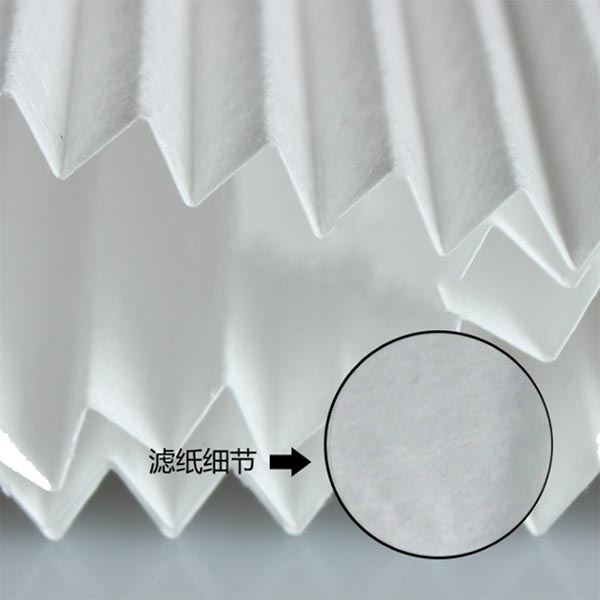
Filters must maintain physical integrity without tearing or collapsing under airflow stress. High-quality filters use strong synthetic fibers and sturdy frames, often designed for longevity.
3. Airflow Resistance (Pressure Drop)
Quality filters balance filtration efficiency with low resistance to airflow. Too much resistance reduces system performance and increases energy consumption. Manufacturers often specify pressure drop in Pascals at rated airflow.
4. Scalability and Customization
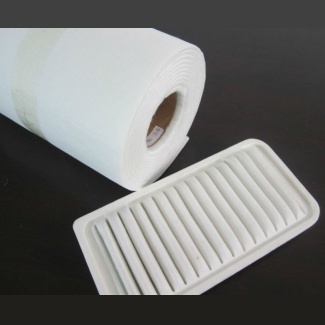
High-end HEPA filters come in various sizes and configurations—panel, cylindrical, or bag designs—to suit commercial HVAC systems, portable units, or specialized machinery.
5. Certification & Testing Protocols
Filters adhering to tested standards like ISO 29463 or EN 1822 ensure verified performance—not something you can overlook.
Mini takeaway: These aspects work hand-in-hand to create a filter that not only traps particles effectively but also endures real-world conditions without annoying tradeoffs.
Global Applications & Use Cases of High Quality HEPA Air Filters
- Healthcare: Hospitals depend on HEPA filters to create sterile operating rooms and protect immunocompromised patients.
- Industrial manufacturing: In semiconductor fabrication or pharmaceutical production, cleanrooms mandate HEPA filtration.
- Disaster relief: After wildfires or chemical accidents, mobile air units fitted with high quality HEPA filters help purify air in shelters.
- Public transportation: Airports and high-speed trains integrate these filters to reduce airborne contagions on crowded vehicles.
- Residential use: Increasingly, consumers invest in home air purifiers with certified HEPA filters to manage allergies and pollution.
A concrete example: In the aftermath of the 2019 Australian bushfires, relief agencies deployed portable clean air shelters equipped with HEPA filters to provide vulnerable populations with relief from hazardous smoke.
Mini takeaway: The versatility of high quality HEPA air filters spans from high-tech industries to grassroots humanitarian efforts.
Advantages and Long-Term Value of High Quality HEPA Air Filters
- Health benefits: Removing ultrafine particles improves respiratory health, combats allergies, and controls infection spread.
- Energy savings: Advanced filter designs minimize airflow resistance, lowering electricity bills for ventilation systems.
- Durability: Longer filter lifespan means less frequent replacements, reducing waste and operating costs.
- Trust & Compliance: Certified filters help organizations meet safety standards and assure customers and stakeholders.
- Environmental sustainability: High efficiency filtration reduces emission of airborne pollutants.
On a human level, deploying these filters can mean dignity and safety for displaced populations — an often-underappreciated social impact.
Mini takeaway: Beyond measurable metrics, high quality HEPA filters provide peace of mind and reduce invisible risks everywhere they’re used.
Product Specifications Snapshot
| Specification |
Typical Value |
| Filtration Efficiency |
≥ 99.97% at 0.3 microns |
| Airflow Resistance (Pressure Drop) |
150–250 Pa at rated airflow |
| Material |
Glass microfibers / synthetic fibers |
| Frame Construction |
Aluminum, stainless steel, or reinforced plastic |
| Certifications |
ISO 29463, EN 1822 |
Comparing Leading High Quality HEPA Air Filter Vendors
| Vendor |
Max Efficiency (%) |
Typical Pressure Drop (Pa) |
Price Range |
Key Strength |
| CleanAir Tech |
99.98 |
180 |
$$$ |
Long filter lifespan |
| PureFlow Systems |
99.97 |
150 |
$$ |
Low energy consumption |
| SafeAir Supplies |
99.99 |
250 |
$$$$ |
Highest contaminant removal rates |
Future Trends and Innovations in HEPA Air Filters
Looking ahead, the field is buzzing with innovations. Nanotechnology is beginning to influence filter media, promising even finer filtration while preserving airflow. Green energy integration is becoming a priority; manufacturers aim to reduce the carbon footprint of filter production and operation.
Automation and digital sensors can now monitor filter health in real time, allowing preemptive replacements. There’s also a push toward using biodegradable or recyclable filter components, addressing disposal concerns that frankly haven’t gotten enough attention.
Mini takeaway: The future of high quality HEPA air filters is about smarter, greener, and more adaptive products tailored for evolving global challenges.
Challenges and Solutions
Here’s the reality: High quality HEPA filters come with higher upfront costs and need regular maintenance. In remote or economically challenged areas, access and affordability are real barriers. Plus, improper installation can compromise performance dramatically.
Experts recommend modular designs for easier shipping and maintenance, alongside partnerships with local enterprises for installation and training. Some NGOs have innovated by blending HEPA filters with pre-filters to extend lifespan and reduce costs. The key is integrating technical quality with practical accessibility.
Frequently Asked Questions About High Quality HEPA Air Filters
- Q1: How do I know if a HEPA air filter is truly high quality?
- A1: Look for certifications like ISO 29463 or EN 1822, check filtration efficiency specs, and confirm the manufacturer’s testing procedures. Sometimes third-party validation helps to avoid fake or sub-par filters.
- Q2: Can HEPA filters remove viruses, such as COVID-19 particles?
- A2: HEPA filters capture airborne particles down to 0.3 microns with 99.97% efficiency. Since most virus carriers (droplets/aerosols) are larger than that, HEPA filtration is highly effective as part of infection control, though it should complement other measures.
- Q3: How often should I replace a HEPA filter?
- A3: Replacement frequency varies by usage and environment but generally ranges from 6 to 12 months. Monitoring pressure drop can help determine when filters are clogged and need replacement.
- Q4: Are high quality HEPA filters energy efficient?
- A4: While highly efficient, good quality HEPA filters are designed to minimize pressure drop, helping reduce energy costs compared to cheap alternatives that can strain HVAC systems.
- Q5: Can I use HEPA filters in portable air purifiers at home?
- A5: Absolutely. Many consumer-grade air purifiers use certified HEPA filters to effectively reduce allergens and pollution indoors, providing peace of mind for allergy sufferers and urban dwellers.
Conclusion
Ultimately, a high quality hepa air filter isn’t just about better air — it’s about better health, safety, and sustainability across industries and communities worldwide. From hospitals to homes, disaster zones to cleanrooms, these filters stand as vital shields protecting what matters most.
If you’re interested in exploring the best certified solutions and staying ahead with the latest in HEPA filtration technology, visit our website for detailed product info and expert guidance.
It’s these quietly powerful innovations that often go unnoticed, but their impact? Absolutely massive.
References
- World Health Organization - Air Quality and Health
- Wikipedia - HEPA Filters
- ISO 29463 High Efficiency Air Filters