Understanding Filter Media: A Key to Cleaner Air and Safer Water Worldwide
Filter media might sound like a niche term—perhaps something only insiders like me and a few engineers obsess over. But in reality, it’s critical to many facets of modern life, from the air we breathe to the water we drink, and the industrial processes that sustain our economy. Understanding this material helps us appreciate advancements in environmental protection, public health, and even disaster response. The right filter media can literally transform polluted air and water into safe, usable resources, making it a global hero working behind the scenes.
Global Context: Why Filter Media Matter Now More Than Ever
Never before has the demand for effective filtration been so urgent. According to the United Nations, over 90% of the world’s population faces air quality levels exceeding WHO guidelines, causing millions of premature deaths annually. Meanwhile, industrial growth, urbanization, and climate change are putting unsustainable pressure on water sources.
Filter media serve as frontline defense against these challenges. Whether in factories releasing emissions, municipal water treatment plants, or even in personal breathing masks, they trap harmful particles and contaminants. However, the market is vast and evolving. The push towards better efficiency, environmental sustainability, and cost-effectiveness makes understanding filter media key for businesses, governments, and NGOs alike.
What Is Filter Media? Clear and Simple
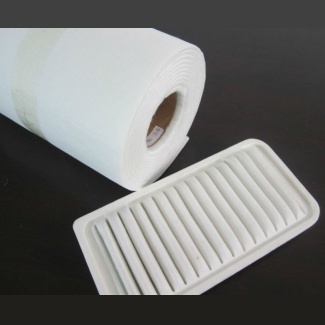
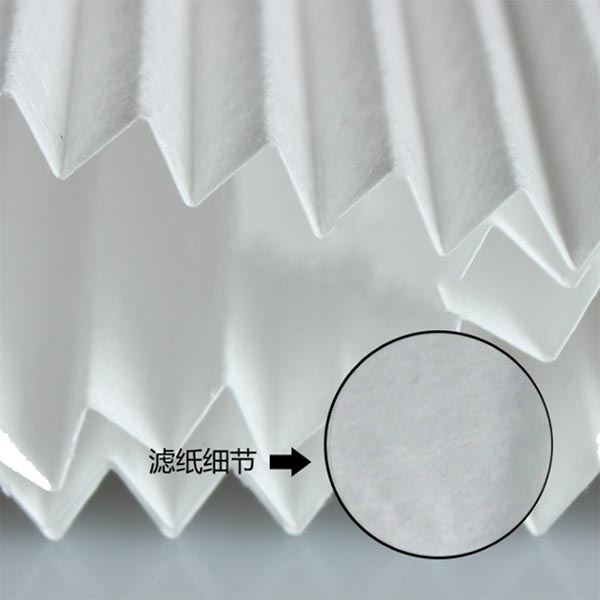
In its simplest form, filter media is the material that physically captures unwanted particles from fluids—liquids or gases—passing through it. This might be a fibrous sheet, foam, mesh, or membrane, designed with a specific pore size and surface chemistry to trap dirt, pollutants, or microbes.
Modern industries rely heavily on these specialized materials. Water purification plants use filter media to remove heavy metals and pathogens. HVAC systems incorporate it to improve indoor air quality. Humanitarian missions deploy portable filtration units with rugged, efficient media to provide clean water in disaster zones.
Core Features of Effective Filter Media
Durability
A good filter media must stand up to harsh environments without rapidly degrading. For industrial exhausts, this might mean resisting high temperatures or chemical exposure. For water filters in remote locations, it has to be rugged enough to last months or years with minimal maintenance.
Filtration Efficiency
This is about how well the media can trap particles of various sizes. Does it catch dust down to just a few microns or even viruses at the nano-scale? Efficiency influences health impacts directly—better efficiency means safer water and cleaner air.
Cost Efficiency
Balancing performance with cost isn’t trivial. While some high-end media like activated carbon or nanofibers offer top filtration, budget constraints push many towards more affordable cellulose or synthetic blends.
Environmental Impact
With growing attention to sustainability, reusable and recyclable filter media are gaining traction. Some materials degrade quickly and add to landfill waste, prompting research into greener alternatives.
Scalability
From small household filters to large industrial installations, filter media must be scalable in manufacture and deployment. This flexibility determines where and how widely it can be used.
Mini Takeaway: When selecting filter media, it’s a balancing act between efficiency, durability, cost, and eco-friendliness — all crucial to delivering real-world impact.
Where in the World Are Filter Media Making a Difference?
- Asia’s Urban Centers: Cities like Delhi and Beijing rely on advanced air filtration to combat hazardous smog levels.
- Post-Disaster Zones: After events like the 2010 Haiti earthquake, portable filter media have provided clean drinking water to tens of thousands.
- Industrial Regions in Europe & North America: Filter media help factories reduce toxic emissions, complying with strict ISO standards and minimizing ecological footprint.
- Africa’s Rural Communities: Low-cost, locally sourced filter media support water purification systems, addressing safe access where infrastructure is limited.
In all these cases, the choice of filter media affects usability, longevity, and effectiveness against local contaminants. In remote industrial zones, durability is king. In humanitarian missions, ease of transport and quick deployment matter most.
Filter Media Product Specifications at a Glance
| Specification |
Value / Range |
Typical Application |
| Pore Size |
0.1 – 100 microns |
Water purification, air filtration |
| Material Types |
Cellulose, Synthetic Fibers, Activated Carbon, Nanofibers |
Industrial & commercial usage |
| Max Operating Temp. |
Up to 300°C (for synthetic media) |
Industrial exhaust systems |
| Lifespan |
6 months – 3 years (depending on environment) |
Utility and industrial filters |
| Recyclability |
Biodegradable options available |
Environmentally sensitive projects |
How Different Vendors Stack Up
| Vendor |
Key Features |
Price Range |
Sustainability Focus |
| CleanFlow Media Inc. |
Advanced nanofiber tech, High filtration efficiency |
Premium |
Medium; recycling program |
| BioFilter Solutions |
Biodegradable fibers, low cost |
Budget-Friendly |
High; fully compostable |
| TechPure Industries |
Customizable sizes, high-temperature resistance |
Mid-Range |
Medium |
The Advantages of Using Quality Filter Media
There’s more than just numbers behind filter media. Sure, cost-savings and efficiency are huge. But this technology also touches safety, dignity, innovation, and trust. Imagine a family in a flood-affected region having access to clean water thanks to portable filters — that’s life-changing.
- Cost Savings: Better media last longer, reducing replacements and downtime.
- Environmental Benefits: Filters reduce pollutant discharge in industry and urban areas.
- Social Impact: Improved air and water quality improves overall public health.
- Reliability: Consistent filtration supports trust in infrastructure and technology.
Emerging Trends Shaping Filter Media’s Future
It’s exciting to see smart materials entering the filtration world. Digital sensors are integrated with filter media to monitor clogging in real time. Nanotechnology is pushing filtration precision to new limits. And at the policy level, stricter ISO and EPA regulations globally are accelerating adoption of greener, more efficient filter media.
The push for sustainability even extends to manufacturing processes, promoting recyclable and bio-based fibers, which many experts argue could reduce plastic pollution from single-use filters.
Challenges & Practical Solutions in Filter Media Applications
The journey isn’t without bumps. Common complaints include rapid clogging in high-pollution areas, shortages of high-grade materials during supply chain hiccups, and difficulties in disposal of spent filter media. However, innovations like self-cleaning coatings, modular designs for easier maintenance, and circular economy models have started to address these.
Many engineers also emphasize the importance of filter media customization — tailoring pore sizes and compositions to specific environments — which markedly extends lifespan and efficacy.
Frequently Asked Questions About Filter Media
- What types of filter media are best for industrial air filtration?
- Media with synthetic fibers and high-temperature resistance are preferred in industrial settings to withstand harsh conditions and effectively capture fine particulates. Activated carbon layers can additionally reduce odors and gases.
- How long does typical filter media last before needing replacement?
- Depending on the environment and particle load, media can last anywhere from six months to three years. Heavy industrial use shortens lifespan, while residential or moderate applications often extend it.
- Are biodegradable filter media effective compared to synthetic options?
- Biodegradable filter media have improved greatly and work well for many applications, especially in water filtration or short-term air filters. However, they may lack the durability of synthetic fibers for high-temperature or long-term industrial use.
- Can filter media be cleaned and reused?
- Some filter media types can be cleaned by backflushing or vacuuming, but others, particularly those that trap bacteria or chemical pollutants, must be replaced to maintain safety and effectiveness.
- Is it possible to order custom filter media for special projects?
- Yes, many vendors—including those showcased here—offer customization services to tailor media pore size, thickness, and material composition according to specific client needs.
In Closing: Why Filter Media Deserve Your Attention
Filters are more than just materials; they’re enablers of health, innovation, and sustainability. By choosing the right filter media, industries and communities build trust in their processes, protect the environment, and improve quality of life. If you’re curious or ready to upgrade your filtration strategy, visit our website and explore how modern filter media can meet your unique challenges.
Thanks for sticking through the details—sometimes the behind-the-scenes stuff is where the real magic lies.
References
- World Health Organization: Air Pollution
- United Nations on Climate Change
- ISO Standards for Air Filters