
info@lmfiltermaterial.com
info@chinapulan.org
info@lmfiltermaterial.com


Jan . 27, 2026
Maintaining optimal air quality within a vehicle or HVAC system is crucial for both health and performance. A key component in achieving this is the cabin filter, and selecting high quality cabin filter media is paramount. This article will explore the importance of cabin filter media quality, different types available, factors to consider when choosing, and how MFilter Solution provides superior filtration solutions. A quality cabin filter protects passengers and HVAC components from harmful pollutants and debris.
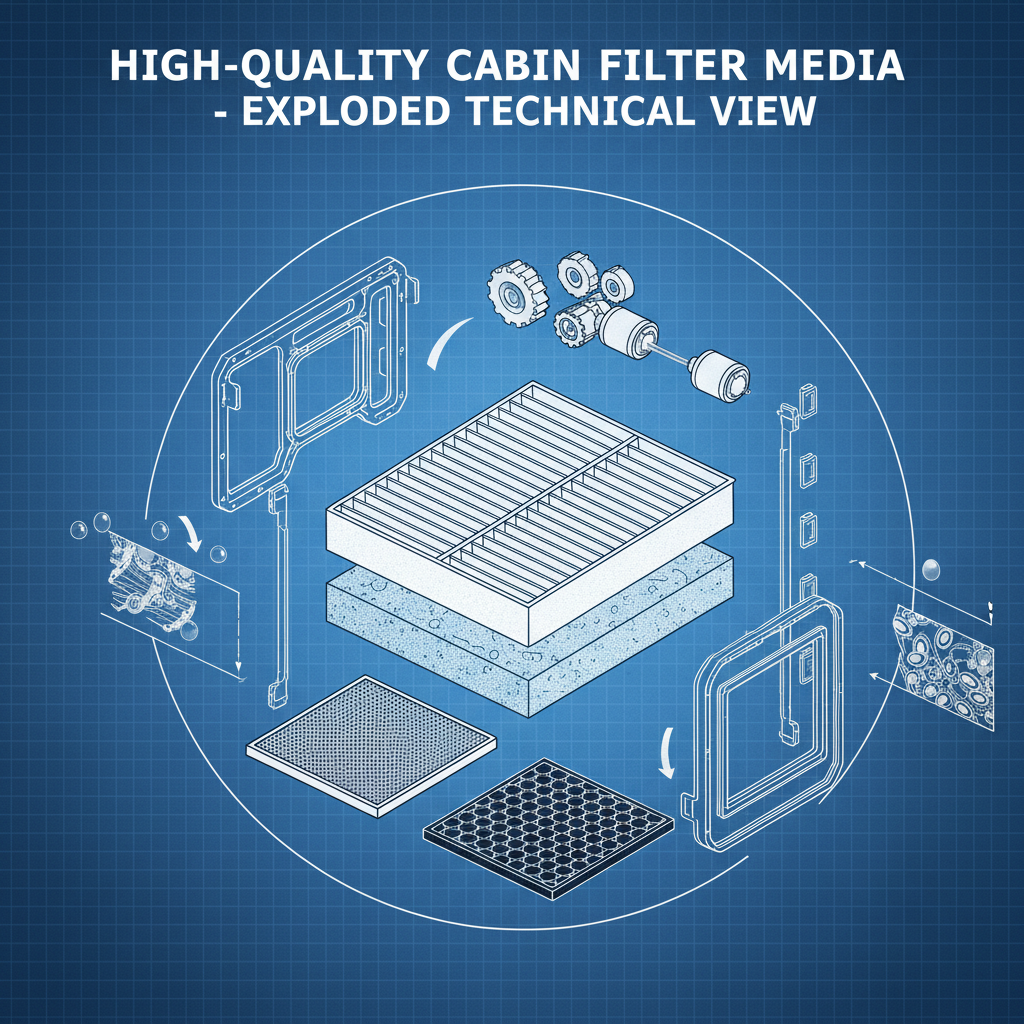
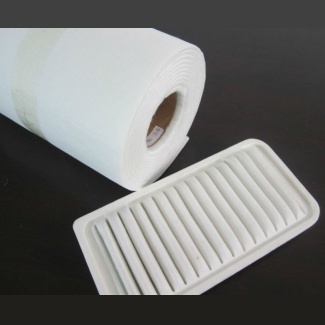
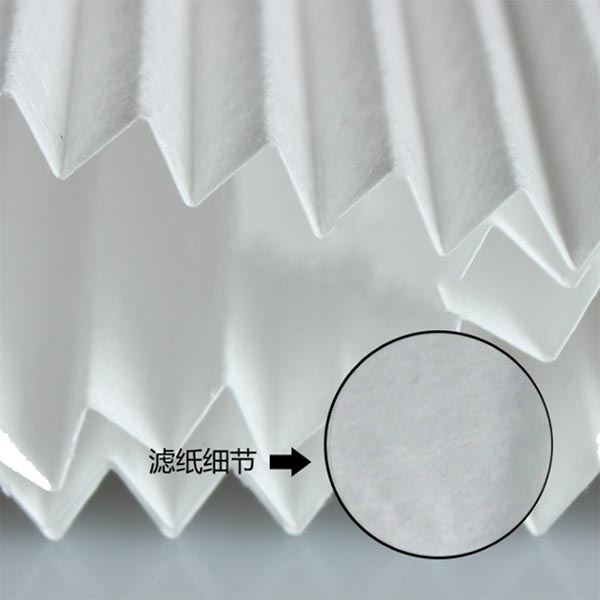
Cabin filter media comes in a variety of materials, each offering different levels of filtration and performance. Common types include non-woven fabric, activated carbon, and HEPA (High-Efficiency Particulate Air) filters. Non-woven filters are the most basic, effectively capturing larger particles like dust and pollen. Activated carbon filters add a layer of odor and gas removal, ideal for combating smog and unpleasant smells. HEPA filters, the most advanced, trap 99.97% of particles 0.3 microns in size, providing superior protection against allergens, bacteria, and viruses. The best choice depends on individual needs and environmental factors. Choosing the right cabin filter media can significantly improve air quality.
Key Highlights: Different types of cabin filter media offer varying degrees of filtration efficiency, odor removal, and particle capture.
Investing in high quality cabin filter media offers numerous benefits. Beyond simply preventing dust and debris from entering the vehicle's interior, it protects the HVAC system from damage, extending its lifespan and maintaining optimal performance. Poor quality filters can restrict airflow, leading to reduced heating and cooling efficiency and potentially causing the blower motor to work harder. Furthermore, high-quality filters significantly improve air quality, reducing allergens, pollutants, and odors, contributing to a healthier and more comfortable driving experience. This is especially important for individuals with allergies, asthma, or other respiratory conditions.
Benefits of Quality Cabin Filter Media:
• Protects HVAC system from damage
• Improves air quality for passengers
• Reduces allergens and pollutants
• Enhances heating and cooling efficiency
Different cabin filter media types perform differently in terms of particle capture and airflow resistance. The following table provides a comparison of common media types based on key performance indicators. Understanding these differences is crucial for selecting the right filter for your needs. MFilter Solution offers a range of media options to meet various requirements.
At MFilter Solution, we specialize in providing high quality cabin filter media tailored to your specific needs. We offer a comprehensive range of media types, including non-woven, activated carbon, and HEPA filters, all manufactured to the highest standards. Our filters are designed to deliver exceptional filtration efficiency, improve air quality, and protect your HVAC system. We also provide custom solutions to meet unique requirements. Contact us today to learn more about how we can help you achieve optimal air quality.
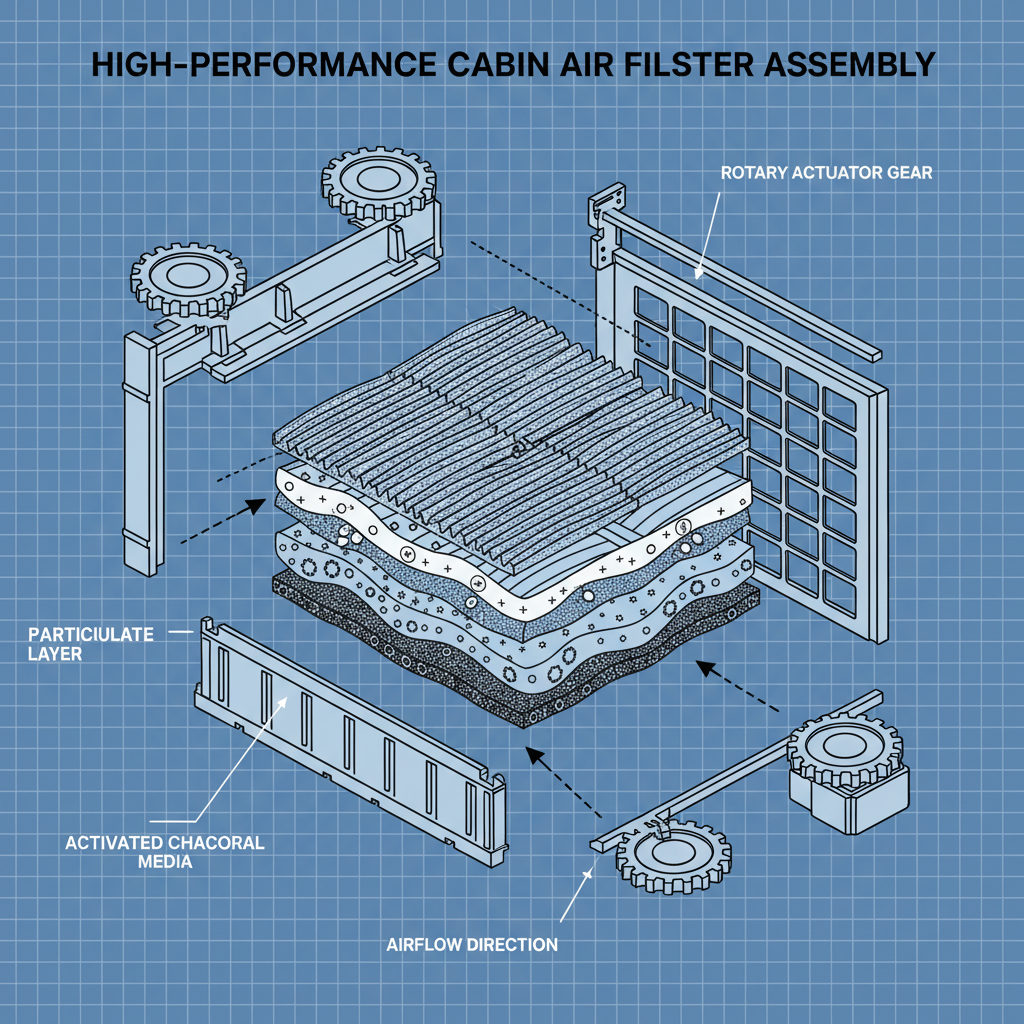
Selecting the optimal cabin filter media depends on several factors. Consider your local air quality, personal sensitivities, and driving conditions. If you live in an area with high pollution or suffer from allergies, a HEPA filter is recommended. For general use and odor control, an activated carbon filter is a good choice. For basic filtration, a non-woven filter may suffice. MFilter Solution can assist you in choosing the best media for your specific application.
Choosing high quality cabin filter media is an investment in your health, comfort, and vehicle’s performance. MFilter Solution is dedicated to providing superior filtration solutions to meet your needs. Don’t compromise on air quality – choose MFilter Solution.
The recommended replacement interval for your cabin filter is typically every 12,000 to 15,000 miles, or once a year, whichever comes first. However, if you frequently drive in dusty or polluted environments, you may need to replace it more often. Signs that your cabin filter needs replacing include reduced airflow from the vents, unpleasant odors, and increased allergen symptoms. Regular replacement ensures optimal air quality and HVAC system performance. MFilter Solution offers a convenient reminder service to help you stay on schedule.
Standard cabin filters typically use a basic non-woven media to capture larger particles. Premium cabin filters, like those offered by MFilter Solution, utilize advanced materials such as activated carbon or HEPA technology for superior filtration. They offer better particle capture efficiency, odor removal, and protection against allergens and bacteria. While premium filters may be more expensive, they provide significant benefits in terms of air quality and HVAC system protection.
Yes, a clogged cabin filter can restrict airflow to the HVAC system, reducing its efficiency. This can lead to decreased heating and cooling performance, forcing the blower motor to work harder and potentially shortening its lifespan. In some cases, a severely clogged filter can even affect fuel economy. Regular filter replacement is essential for maintaining optimal vehicle performance.
Yes, MFilter Solution offers custom cabin filter solutions to meet unique requirements. We can tailor the filter media, dimensions, and performance characteristics to your specific application. Contact our team to discuss your needs and explore custom options.