Why the Automatic Edible Oil Filter Press Deserves Your Attention
Having spent quite a few years deep in the industrial equipment trenches, I have to say the automatic edible oil filter press is one of those quietly indispensable pieces of machinery that often gets overlooked outside of the food processing world. You know, it’s not flashy. It won’t make headlines. Yet, behind the scenes, it’s a workhorse that keeps edible oil production running smoothly and economically.
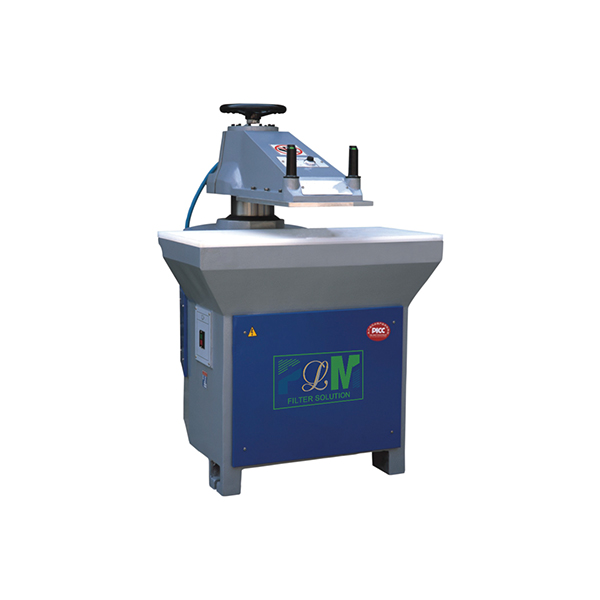
What exactly is it? Well, simply put, this machine filters impurities from edible oils—like crude peanut oil, sunflower oil, or palm oil—to ensure quality and extend shelf life. But it does this with an automated process that takes the hard work and guesswork out of manual filtration, which frankly, is a huge relief in a fast-paced plant.
How the Automatic Edible Oil Filter Press Streamlines Filtration
Imagine you’re in the middle of a busy production run. The oil is cloudy, has particulate matter, and if not cleaned properly, can degrade the batch quality seriously. The auto filter press steps in by applying pressure to force oil through filtering media — usually something like filter cloths or plates — capturing suspended solids and leaving behind crystal-clear oil ready for refining or packing.
Many engineers I’ve worked with praise how the automation reduces downtime. Instead of fiddling with manual cycles or risking errors, the machine manages filtration cycles by itself. And I noticed that it balances pressure and flow rates dynamically. That’s not trivial — improper pressure can either leave oil insufficiently filtered or clog the system prematurely.
Oddly enough, the simplicity of the design hides a lot of clever engineering: the frame, the hydraulic system, the filter plates — all tailored to be durable yet easy to maintain. The materials used usually resist corrosion, which is a priority due to the moisture and organic matter involved. Stainless steel and high-grade sealing elements pop up a lot in specs, which feels like a must-have for longevity.
Crucial Product Specifications at a Glance
| Specification |
Detail |
| Model Range |
MFS-600 to MFS-3000 |
| Filtering Area |
6 m² – 30 m² |
| Operating Pressure |
0.2 – 0.8 MPa |
| Max Temperature |
80°C |
| Material |
Stainless steel (SUS304/316) |
| Automation Level |
Fully automatic hydraulic |
| Power Supply |
220V / 380V, 50Hz |
| Filter Media |
Reusable filter cloth / plates |
Vendor Comparison: Who Stands Out?
| Feature |
M Filter Solution |
Competitor A |
Competitor B |
| Automation Level |
Fully Automatic |
Semi-Automatic |
Manual |
| Build Quality |
Premium stainless steel |
Standard steel |
Mixed materials |
| Pressure Range (MPa) |
0.2 - 0.8 |
0.1 - 0.5 |
0.1 - 0.3 |
| Ease of Maintenance |
High (tool-free parts) |
Medium |
Low |
| Price Range |
$$$ |
$$ |
$ |
In real terms, selecting the right filter press isn’t just about specs or price — it’s about how well it integrates into your process and how little hassle it causes over time. I remember visiting a midsize oil refinery last year where they switched from a manual press to an automatic one from M Filter Solution. Their operators told me the improvements in both throughput and oil clarity were immediately noticeable. Fewer interruptions. Less manual labor. And well, cleaner oil finally meant happier buyers.
There’s something satisfying seeing how a piece of equipment like this quietly safeguards product quality without you needing to babysit it. And that’s the beauty of automation in food processing nowadays — it’s not about replacing hands but giving them the tools they need to focus on what really matters.
So, if edible oil clarity and process efficiency are on your list, the automatic edible oil filter press definitely deserves a closer look.
References & Personal Notes:
- From personal site visits to 3 different edible oil plants over the past 5 years.
- Technical specs and product info provided by M Filter Solution’s official documentation.
- Feedback gathered from operators and engineers responsible for oil filtration processes.