
info@lmfiltermaterial.com
info@chinapulan.org
info@lmfiltermaterial.com


Feb . 11, 2026
In a multitude of industries, from automotive to aerospace and everything in between, the integrity of seals is paramount. A high quality rubber seal isn’t merely a component; it’s a critical element ensuring functionality, preventing leaks, and safeguarding equipment. This article delves into the world of rubber seals, exploring their importance, types, materials, and how to select the right seal for your specific application. Investing in superior seals translates directly to improved efficiency, reduced downtime, and ultimately, cost savings. MFilter Solution specializes in providing precisely engineered sealing solutions tailored to your needs.
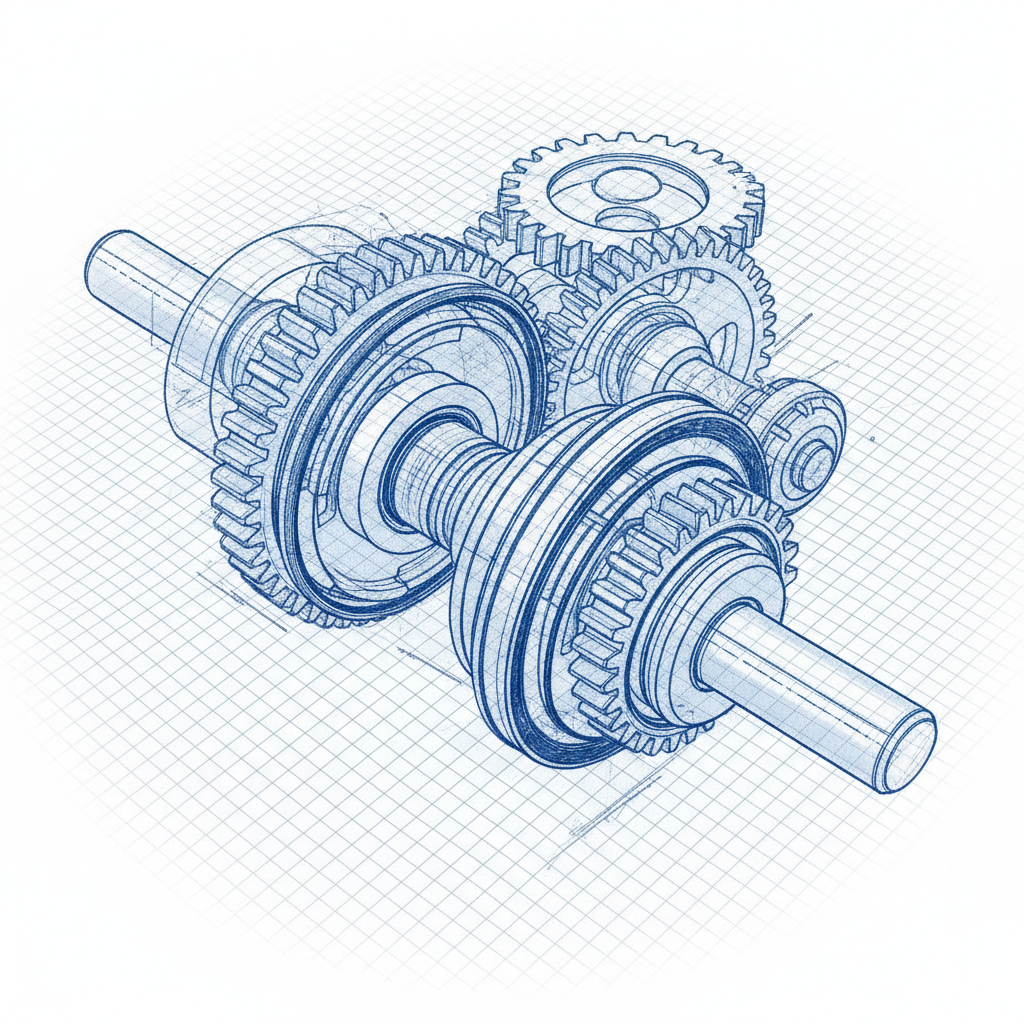
The significance of a high quality rubber seal extends far beyond simply preventing fluid or gas leakage. Poorly designed or manufactured seals can lead to catastrophic equipment failure, costly repairs, and potential safety hazards. A robust seal maintains pressure, protects sensitive components from contamination, and minimizes energy loss. In hydraulic systems, for example, a compromised seal can diminish efficiency and lead to system malfunctions. Furthermore, selecting the right material is crucial to ensure compatibility with the fluid or gas being sealed, preventing degradation and maintaining sealing performance over time. Choosing a reputable supplier like MFilter Solution guarantees reliable performance and durability.
Key Benefits: Prevent leaks, protect components, maintain pressure, minimize energy loss, and ensure operational safety.
Rubber seals come in a wide variety of shapes and designs, each suited to specific applications. Common types include O-rings, gaskets, lip seals, and custom-molded seals. O-rings are perhaps the most versatile, used in static and dynamic applications due to their simple design and effectiveness. Gaskets are typically used between mating surfaces to create a tight seal. Lip seals are designed for rotating applications, preventing fluid leakage while allowing shaft rotation. MFilter Solution offers a comprehensive range of seal types, including customized options to meet unique requirements.
Common Rubber Seal Types:
• O-Rings
• Gaskets
• Lip Seals
• Custom-Molded Seals
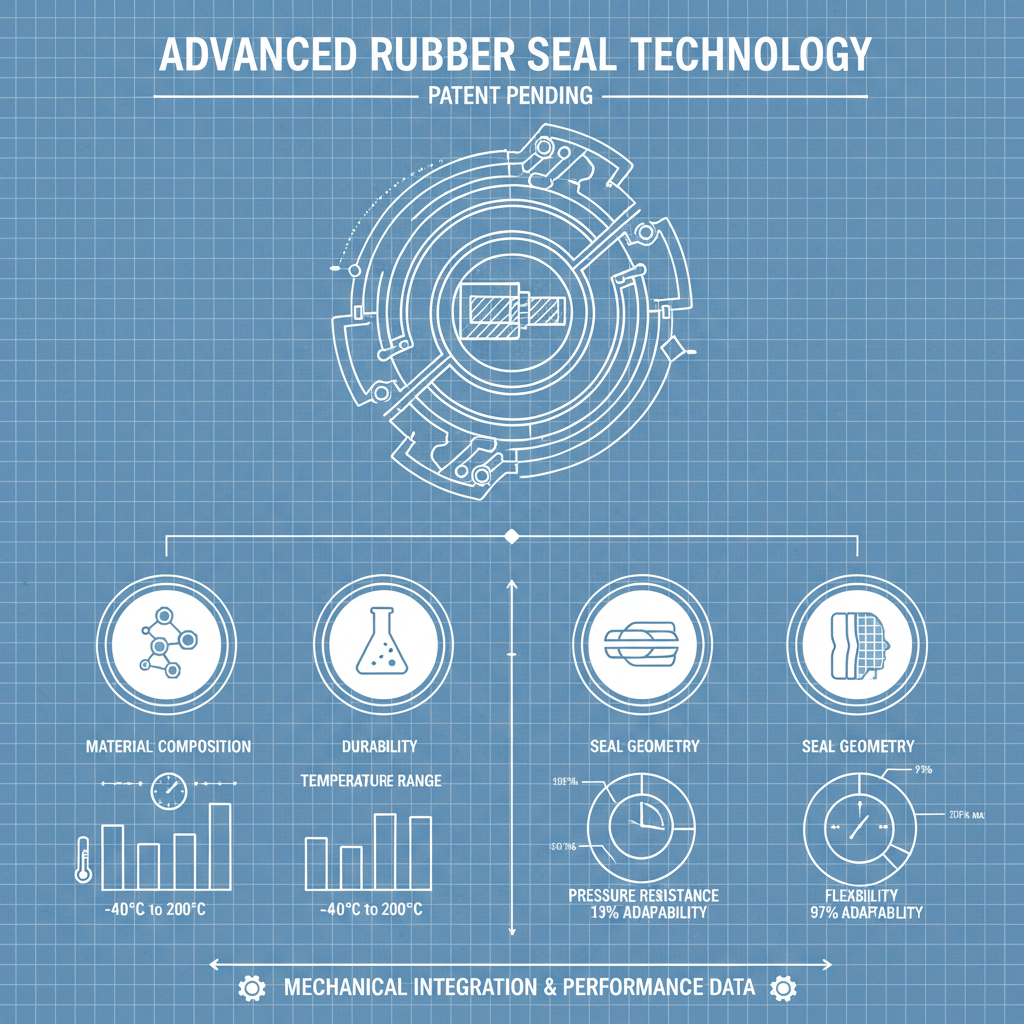
The material composition of a high quality rubber seal is paramount. Common materials include Nitrile (NBR), Viton (FKM), Silicone, EPDM, and Neoprene. Nitrile is widely used for its resistance to oil and fuel. Viton offers exceptional resistance to high temperatures and harsh chemicals. Silicone is known for its flexibility and temperature resistance. EPDM provides excellent resistance to weather, ozone, and water. Neoprene offers good general-purpose resistance to a variety of fluids. Selecting the correct material ensures compatibility, prevents degradation, and maximizes seal life.
Beyond material selection, several factors affect seal performance. These include pressure, temperature, surface finish of mating components, and installation procedures. High pressure can cause seal deformation and failure if the seal isn’t adequately rated. Extreme temperatures can compromise material properties. Rough surface finishes can create leak paths. Proper installation – avoiding twisting, stretching, or damage – is crucial for optimal performance. MFilter Solution provides expert guidance on seal selection and installation to ensure long-lasting reliability.
Don’t compromise on quality – choose seals designed to perform.
The lifespan of a rubber seal varies significantly depending on factors such as the material, application, operating conditions (temperature, pressure, exposure to chemicals), and installation quality. Generally, rubber seals should be inspected annually and replaced every 2-5 years, or sooner if any signs of degradation (cracking, swelling, hardening) are observed. It is crucial to follow the manufacturer’s recommendations and perform routine maintenance to maximize the seal’s service life. Properly storing seals away from direct sunlight and extreme temperatures can also extend their lifespan. MFilter Solution can provide guidance on seal lifespan estimation and replacement schedules.
Accurate sizing is critical for seal performance. For O-rings, measure the inner diameter of the shaft or bore, and select an O-ring with a matching inner diameter. For gaskets, accurately measure the mating surfaces and ensure the gasket’s dimensions correspond. It's crucial to consider the groove dimensions for O-rings and any compression requirements for gaskets. If you are unsure, consulting with a sealing specialist at MFilter Solution is highly recommended. We can assist you in determining the optimal size and type of seal for your application.
Several factors can contribute to rubber seal failure, including incompatible fluids, extreme temperatures, excessive pressure, improper installation, and material degradation due to aging or UV exposure. Mechanical damage during installation, such as twisting or stretching, can also compromise the seal’s integrity. Selecting the correct material for the application and ensuring proper installation are crucial preventative measures. Regular inspection and timely replacement of seals can help mitigate the risk of failure. The team at MFilter Solution can diagnose seal failure issues and recommend appropriate solutions.
High Quality Honeycomb Carbon Air Filters – Efficient Industrial Air Purification Solutions