Why a Water Filter Carbon Block Machine Matters in Industrial Filtration
Having spent a good chunk of my career in the industrial equipment sector — specifically around water treatment — I’ve seen firsthand how carbon block filters quietly but effectively tackle impurities in water systems. It’s always fascinated me how something seemingly simple, like compressed carbon powder and binding agents shaped into blocks, can make such a massive difference in water clarity and safety.
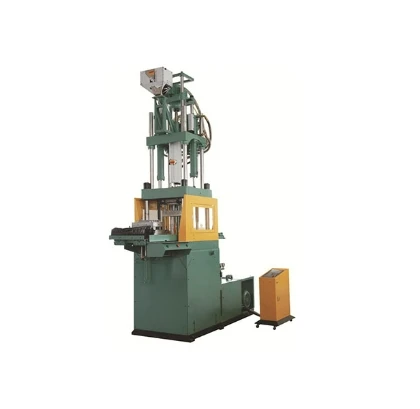
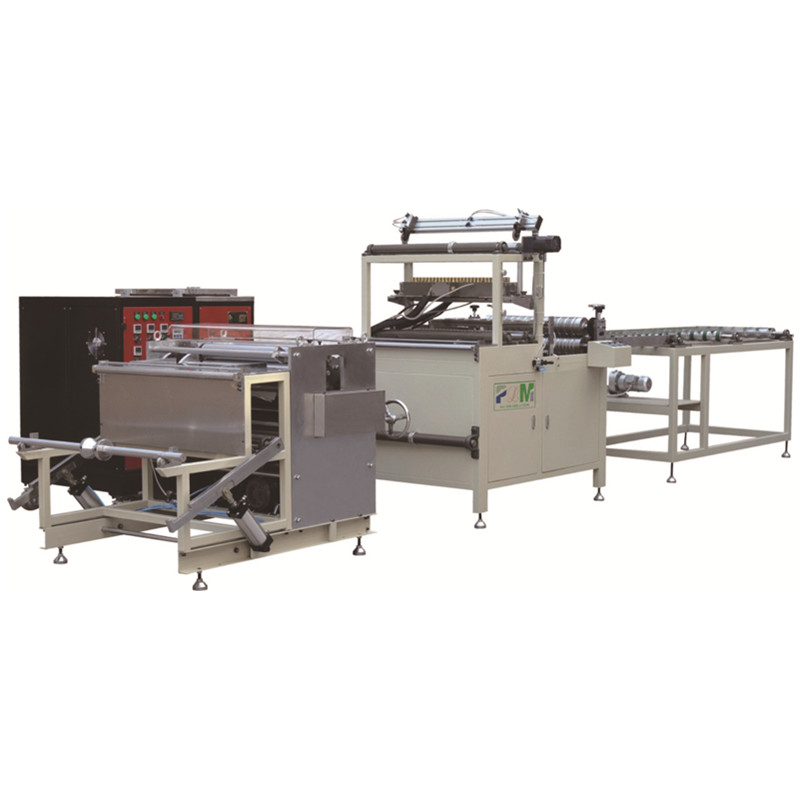
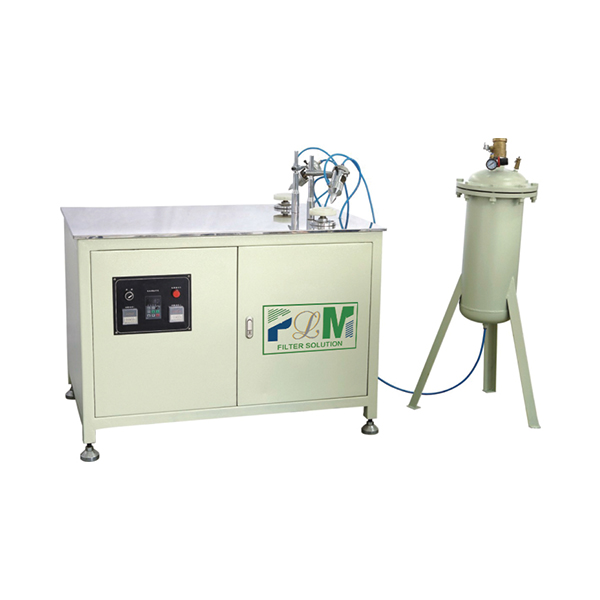
This is where a water filter carbon block machine steps into the spotlight. Unlike common filter cartridges you might find at home, these industrial machines are designed to meet the rigors of large-scale production — producing carbon blocks with consistent density, porosity, and durability. The nuances matter because a block that’s too porous won’t filter effectively; too dense, and water flow slows to a trickle. Getting this balance right is an art and a science.
Breaking Down the Design and Specs
The design elements of these machines tend to be pretty robust. Most have hydraulic or pneumatic pressing systems to compress activated carbon and additives inside steel molds. Temperature control is also crucial since heat influences how binders harden, affecting block integrity. I remember a project where the temperature sensor went haywire — without proper heat, the filters cracked post-production, which was a big red flag for quality control.
| Specification |
Typical Range |
Notes |
| Block Size |
Length: 10-20 inches; Diameter: 2-4 inches |
Custom molds available for specific uses |
| Compression Pressure |
30 - 80 MPa |
Strong enough for durability without overcompacting |
| Production Capacity |
50 - 200 blocks/hour |
Depends on machine size and automation level |
| Heating Method |
Electric or steam |
Affects curing time & final product quality |
Choosing the Right Vendor: Some Thoughts
I've worked with multiple manufacturers over time, and it’s easy to get lost in the specs alone. For instance, one vendor might boast the fastest cycle time, but their machine often struggles with uniformity in block density. Another offers superb after-sales support, which frankly can be the lifeline when you’re mid-production on a tight deadline. Here’s a quick comparison I often keep handy:
| Vendor |
Production Capacity (blocks/hr) |
Automation Level |
Warranty & Support |
Price Range |
| MFilter Solution |
Up to 150 |
Semi-automated |
24-month warranty, 24/7 support |
$$$ |
| CarbonTech |
Up to 200 |
Fully automated |
12-month warranty, limited support |
$$$$ |
| AquaFilters Inc. |
50 - 120 |
Manual to semi-automated |
36-month warranty, moderate support |
$$ |
Real-World Usage: What I’ve Noticed
One customer I worked with switched to a semi-automated machine after struggling with inconsistent block quality from a fully manual system. The upgrade eliminated the odd cracks and uneven porosity they’d battled with. Production stabilized, and so did their end-product complaints. Of course, every project has its quirks—water quality, local carbon source, even ambient humidity can affect outcomes. So flexibility in adjusting the machine’s parameters is a blessing.
To sum up, the trick is balancing throughput with quality, all the while factoring in your team's ability to maintain the machinery. That’s where partners offering training and support show their true colors. If you want to dive deeper, I recommend checking out water filter carbon block machine options that strike this balance well.
Honestly, once you get the hang of how these machines work, it feels less like black magic and more like craftsmanship perfected over the years.
References and musings:
- Field notes from water treatment plant setups, 2015–2023.
- Discussions with engineers specializing in filtration technology at trade expos.
- Personal observations on machine maintenance cycles and production efficiency.