
info@lmfiltermaterial.com
info@chinapulan.org
info@lmfiltermaterial.com


Jan . 27, 2026
Selecting the appropriate filter mesh is crucial for optimal performance across various industrial applications. The quality of the mesh directly impacts filtration efficiency, product integrity, and overall system longevity. This article provides a comprehensive guide to understanding different types of high quality filter mesh, their applications, and factors to consider when making a purchase. From ensuring clean water supplies to refining manufacturing processes, the right mesh can make all the difference. We’ll explore the options and help you navigate your choice effectively.
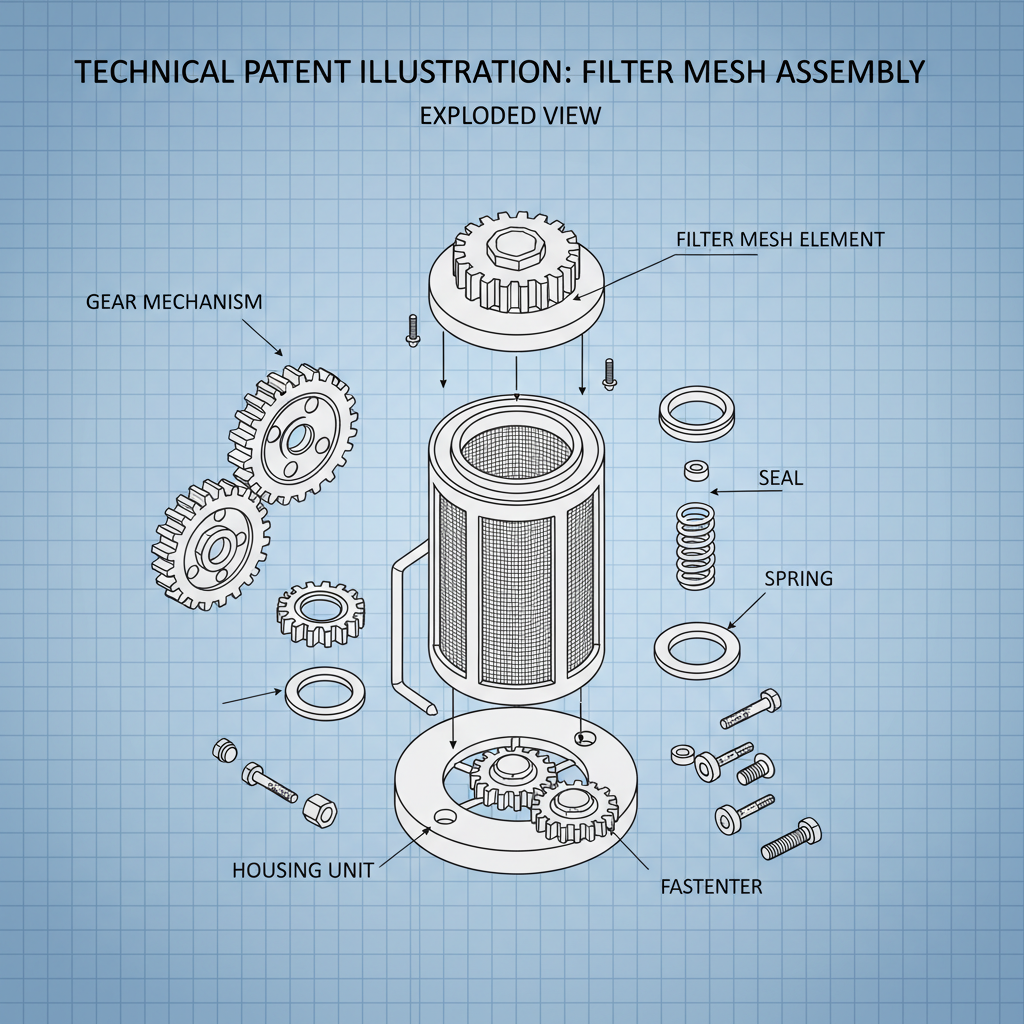
Filter mesh comes in a diverse range of materials, weaves, and mesh counts, each suited for specific applications. Common materials include stainless steel (304, 316, 316L), nylon, polyester, and polypropylene. Stainless steel meshes are favored for their durability, corrosion resistance, and ability to withstand high temperatures. Nylon and polyester meshes offer good chemical resistance and are often used in liquid filtration. Polypropylene meshes are lightweight and cost-effective, suitable for less demanding applications. Mesh count refers to the number of openings per inch, with higher counts indicating finer filtration. The choice of material and mesh count depends heavily on the characteristics of the substance being filtered and the desired level of purity.
Key Highlights: MFilterSolution offers a wide range of filter mesh materials, weaves and counts, tailoring to the specific needs of various industries, ensuring optimal filtration performance.
The applications of filter mesh are incredibly diverse. In the water treatment industry, it's used to remove sediment, bacteria, and other contaminants. In the food and beverage industry, high quality filter mesh ensures product purity and prevents foreign object contamination. Pharmaceutical companies rely on precise filtration to maintain the sterility of their products. Furthermore, filter mesh is crucial in chemical processing, air filtration, and even textile manufacturing. The ability to customize mesh specifications – from material and weave to pore size – makes it an indispensable component across countless industries.
Common Applications:
• Water Treatment & Purification
• Food & Beverage Processing
• Pharmaceutical Filtration
• Chemical Processing
Selecting the right material is crucial. Here’s a comparison of common materials:
Partnering with a reputable supplier like MFilterSolution is vital. Look for suppliers who offer: consistent quality control, a wide range of materials and mesh counts, customization options, competitive pricing, and reliable delivery. Don't hesitate to request samples and certifications to verify the quality of the mesh before placing a large order. Technical support and expertise are also valuable assets when selecting a supplier.
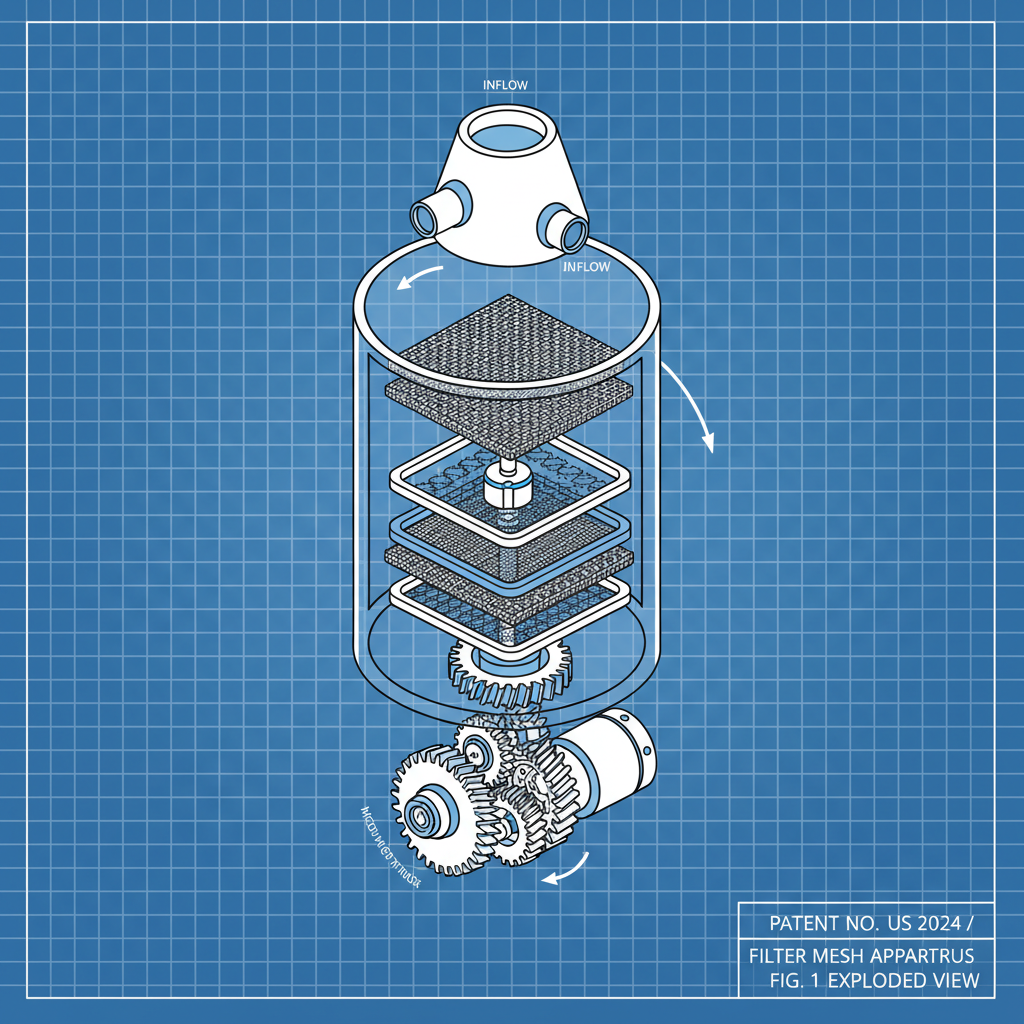
The cost of filter mesh is influenced by several factors, including the material type, mesh count, weave pattern, and order quantity. Stainless steel meshes generally command higher prices due to their superior properties. Finer mesh counts require more intricate weaving processes, increasing production costs. Larger orders typically qualify for volume discounts. Therefore, carefully consider your specific needs and budget when selecting the appropriate mesh for your application.
Choosing the right high quality filter mesh is an investment in the efficiency and reliability of your operations. By carefully considering your application requirements, material options, and supplier capabilities, you can ensure optimal filtration performance and long-term cost savings. Don't compromise on quality – choose a mesh that meets your specific needs and delivers consistent results.
Mesh count refers to the number of openings per linear inch of the filter mesh. A higher mesh count indicates smaller openings, resulting in finer filtration. It's crucial because it determines the size of particles the mesh can effectively remove. For applications requiring high purity, a higher mesh count is generally preferred. Selecting the appropriate mesh count depends on the size of the contaminants you need to filter out.
Woven mesh is created by interlacing wires at right angles, resulting in a stable and precise structure. It's ideal for applications requiring high strength and dimensional stability. Knitted mesh, on the other hand, is formed by interlooping wires, offering greater flexibility and conformability. Knitted mesh is often used in applications where the mesh needs to stretch or conform to irregular shapes.
Yes, many suppliers, including MFilterSolution, offer customization options. This includes specifying the material, mesh count, weave pattern, width, and length. Customization ensures that the mesh perfectly suits your specific application requirements, optimizing performance and efficiency.
Cleaning methods vary depending on the material and the type of contaminants. For stainless steel mesh, you can use mild detergents and water. For nylon or polyester meshes, avoid harsh chemicals and high temperatures. Regular inspection for damage or clogging is crucial. Replacing the mesh when it becomes damaged or excessively clogged ensures optimal filtration performance.
The importance of car filters in protecting human respiratory organs