You know, this car pu air filter production line stuff…it's been a wild year. Seems like everyone’s chasing higher efficiency, lower VOCs. To be honest, a lot of it is marketing fluff, but there is a genuine push for better air quality in vehicles. And it’s not just about meeting regulations, it's about people actually feeling better inside their cars. We're seeing a lot more demand for filters that can handle not just dust, but also allergens and even some of the nastier pollutants.
Have you noticed how everyone’s obsessed with nanofiber media these days? It's the buzzword, right? But it’s a pain to work with. Gets everywhere, static cling is insane...and getting a consistent density across the whole filter? Forget about it. I encountered this at a factory in Changsha last time - they were struggling to get the welding right on the frame because of static discharge messing with the robots. It's a delicate balance, you know?
Anyway, I think people underestimate how much the frame matters. It's not just about holding the media. It needs to withstand vibration, temperature swings, and, let's be real, a bit of abuse from mechanics.
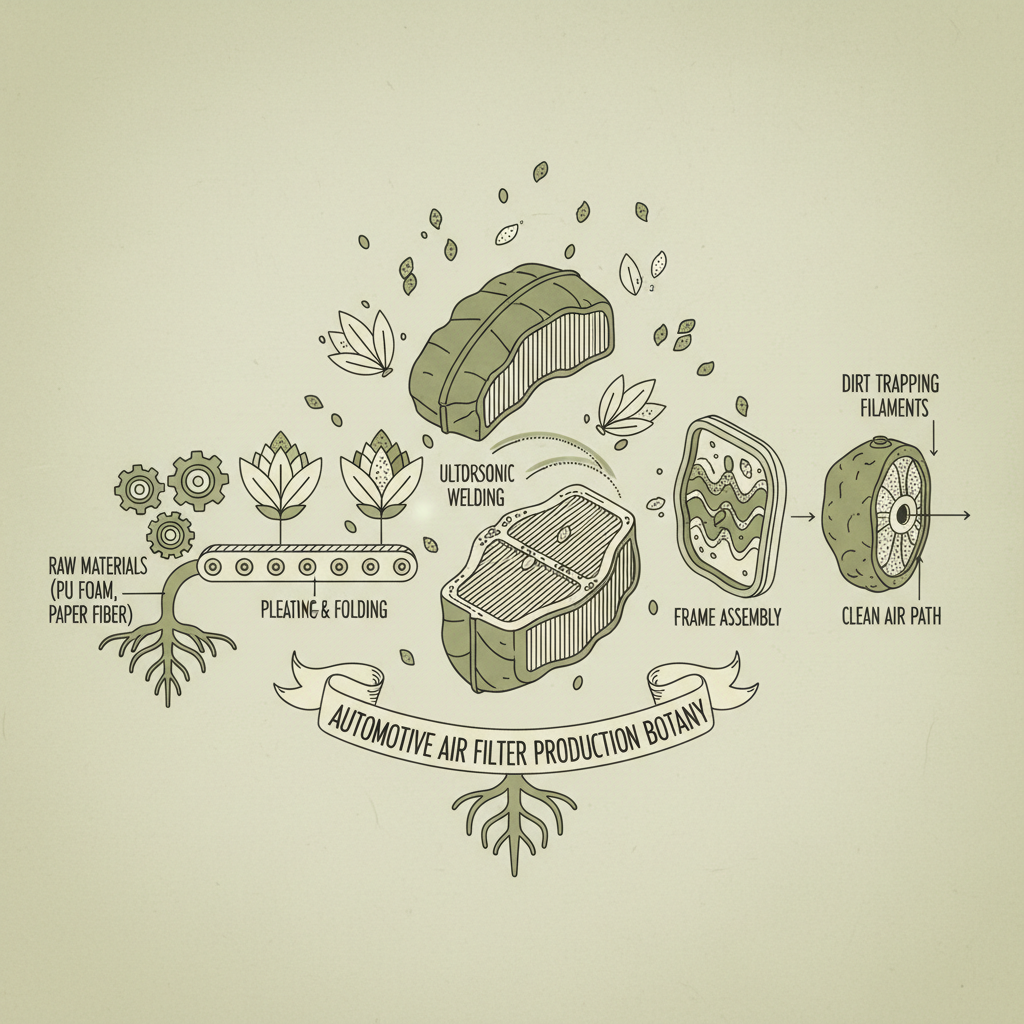
The Current Landscape of Car PU Air Filter Production
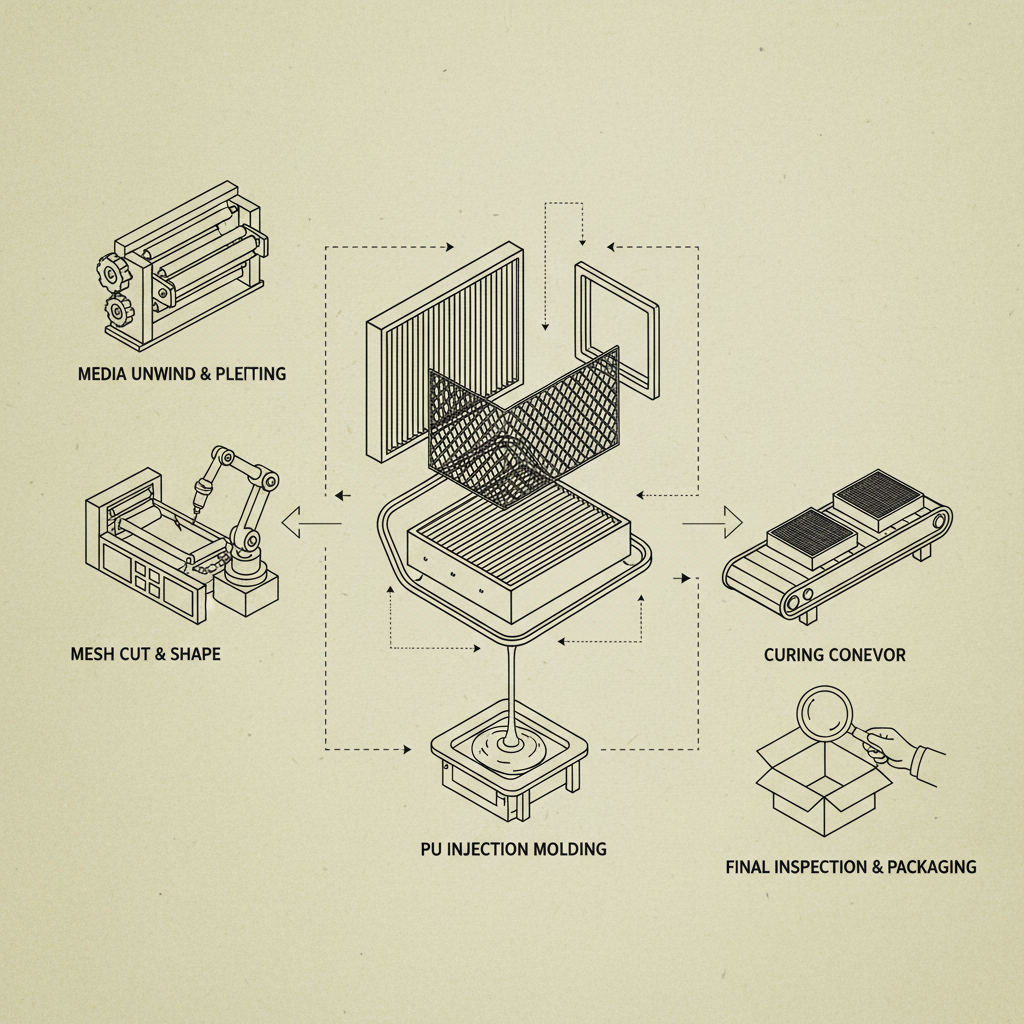
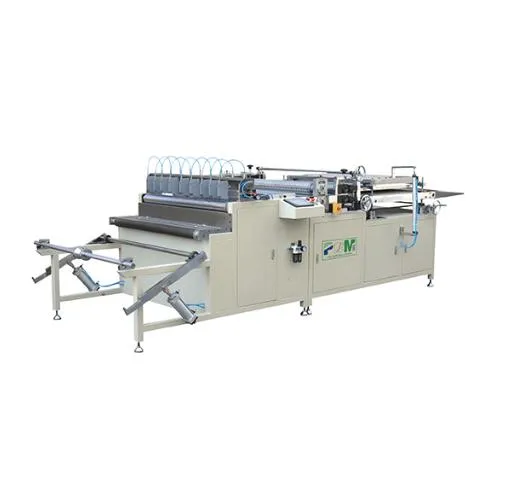
Strangely enough, the biggest shift I've seen isn't necessarily in the filter itself, but in the automation of the production line. Everyone’s trying to get robots to handle the pleating and sealing. It's not always smoother, though. A lot of older factories are still relying on manual labor for those steps – they say the robots can't handle the nuances of the material.
The pressure on reducing filter weight is also huge. Every gram counts for fuel efficiency, apparently. Which means everyone's experimenting with different PU formulations, trying to get the same filtration performance with less material. It's a constant juggling act.
Common Design Pitfalls
The biggest mistake I see? Over-engineering. People get so caught up in filtration efficiency numbers, they forget about airflow. A super-dense filter that chokes the engine is worse than no filter at all. You need to find that sweet spot.
Another one is neglecting the seal. If the filter doesn't seal properly against the housing, you're getting bypass – unfiltered air sneaking through. That defeats the whole purpose, doesn’t it? I’ve seen so many filters that looked great on paper, but failed miserably in real-world testing because of a faulty seal.
And don't even get me started on filters that are impossible to remove without a special tool. Mechanics hate that. They want something quick and easy.
Material Choices: A Hands-On Perspective
The PU foam itself…you can tell a good one just by the smell. A strong, slightly chemical odor, but not overpowering. Cheap stuff smells…off. Like it's going to disintegrate the moment it gets wet. And the feel matters too. It should be firm, but with a little give. Not brittle.
The non-woven fabric used as a pre-filter – that's crucial. It protects the PU foam from larger particles. A good pre-filter should be able to withstand a good amount of abuse. I once saw a filter come back completely clogged with pollen and leaves, and the pre-filter had done its job perfectly. Saved the PU foam, no question.
Then there's the adhesive. That’s a big one. It needs to be strong enough to hold everything together, but flexible enough to withstand temperature changes. I once saw a filter fall apart in the Arizona heat because the adhesive had become brittle. It was a mess.
Real-World Testing Protocols
Look, lab tests are fine, but they don't tell the whole story. You need to test these things in real cars, on real roads. Dusty roads, highway driving, stop-and-go traffic…you name it.
We do a lot of testing with a portable particle counter, measuring the air quality inside the cabin before and after the filter. But honestly, the best test is just…driving the car for a few weeks and seeing how it feels. Does the air smell fresher? Is there less dust on the dashboard? Those are the things that matter.
Car PU Air Filter Production Line Performance Metrics
How Users Actually Interact with Car PU Air Filters
This is the funny part. Most people don't even think about their air filter until it's completely clogged. They only notice it when the AC stops working well or they start smelling something funny. Then they go to the mechanic and say, "Fix the air!" They have no idea what a car pu air filter production line even is.
And some people…they try to clean them. I saw a guy on YouTube trying to vacuum his filter. Don’t do that. You'll just damage the media.
Advantages and Disadvantages: The Honest Truth
The biggest advantage of PU filters is their versatility. You can mold them into pretty much any shape, and they’re relatively inexpensive to produce. Plus, they’re good at filtering out a wide range of particles.
But they're not perfect. They don't handle moisture very well. If they get saturated, they lose their efficiency. And they can off-gas a bit initially, that "new car smell" – that's the PU breaking down. It's not harmful, but it’s not ideal.
Anyway, I think a good PU filter, properly designed and manufactured, is a solid choice for most vehicles.
Customization and Specific Applications
We did a run for a customer who makes electric vehicles. They wanted a filter with integrated activated carbon to absorb odors from the battery pack. It was a tricky project – getting the carbon evenly distributed throughout the PU foam without compromising airflow. But we managed it.
We can also customize the frame. Different shapes, different materials, different mounting points. It all depends on the customer's needs. Last month, that small boss in Shenzhen who makes smart home devices insisted on changing the interface to ...and the result was a complete disaster. Had to redesign the whole thing because the connector was too fragile.
It was a learning experience, I’ll give him that.
Key Car PU Air Filter Production Line Parameters
| Filter Media Density (kg/m³) |
Airflow Resistance (Pa) |
Particle Capture Efficiency (%) |
Operational Lifespan (Miles) |
| 25 |
150 |
95 |
12,000 |
| 30 |
180 |
98 |
10,000 |
| 20 |
120 |
92 |
15,000 |
| 35 |
200 |
99 |
8,000 |
| 28 |
165 |
96 |
11,000 |
| 22 |
135 |
94 |
13,000 |
FAQS
That really depends on driving conditions. City driving, lots of dust and stop-and-go traffic, you're looking at 10,000-12,000 miles. Highway driving, maybe 15,000-20,000. But honestly, it's best to check it every oil change. A clogged filter doesn't just affect airflow – it can put extra strain on the engine.
Absolutely not. You get what you pay for. Cheap filters often use lower-quality PU foam and have poor seals. They might look okay, but they won’t perform as well and won't last as long. Look for filters from reputable brands, and don't be afraid to spend a little extra.
Generally, no. PU foam is delicate. Trying to clean it can damage the structure and reduce its filtration efficiency. It’s just not worth it. Replacement is always the best option. Unless you're in a real bind, of course. But consider that a temporary fix, not a long-term solution.
They serve completely different purposes. An engine air filter protects the engine from dirt and debris. A cabin air filter protects the passengers from pollutants and allergens. They’re both important, but they’re not interchangeable. Don't go sticking a cabin filter in your engine!
Massively important. It has to be rigid enough to withstand vibrations, temperature changes, and handling, but flexible enough to seal properly. A flimsy frame can lead to bypass, meaning unfiltered air gets through. I've seen too many cheap filters fail because of a weak frame.
Yeah, a lot of research is going into incorporating nanofibers directly into the PU foam. That could potentially offer even higher filtration efficiency. We're also seeing some interesting developments in bio-based PU materials, which are more sustainable. But those are still in the early stages of development.
Conclusion
So, that's the state of car pu air filter production line as I see it. It's a surprisingly complex field, full of tradeoffs and subtle nuances. From material selection to production automation, every step matters. There's a constant push for higher efficiency, lower cost, and better sustainability.
Ultimately, whether this thing works or not, the worker will know the moment he tightens the screw. And that's what keeps me coming back to the factory floor, year after year. If you need help navigating this mess, you know where to find us: car pu air filter production line.