
info@lmfiltermaterial.com
info@chinapulan.org
info@lmfiltermaterial.com


Oct . 16, 2025
If you’ve ever wondered why some rooms smell “clean” but still feel stuffy, you’re noticing gases and odors that HEPA alone can’t touch. That’s where an active carbon air filter for air purifier quietly does the heavy lifting—adsorbing VOCs, smoke, and the odd mystery smell from new furniture or traffic outside. To be honest, carbon seems simple, but the engineering behind it is getting smarter every quarter.

- Shift from loose granules to honeycomb blocks for lower pressure drop and less dusting. - More “targeted” carbons doped for formaldehyde, ammonia, or acid gases. - Real test data is replacing marketing fluff—brands are citing ISO 10121 and ASHRAE 145.2 now, which is refreshing.
Feedstocks include coconut shell (high micro-porosity), bituminous coal (balanced pore spectrum), and wood (good for certain aldehydes). Typical flow: pre-wash → activation (steam/chemical) → granulation or extrusion → binder cure for honeycomb or panel modules → pre-dusting → performance testing. Devices get validated under ISO 10121-2 (gas-phase filters), ASHRAE 145.2, plus local purifier standards such as GB/T 18801 and AHAM AC-1 for overall CADR, even if CADR is primarily particulate-focused.
| Media type | Coconut shell activated carbon, 10×30 mesh or honeycomb block |
| Iodine number | 900–1100 mg/g (≈ adsorption capacity) |
| CTC adsorption | 50–70% |
| Pressure drop | ≤ 60 Pa @ 1.0 m/s (module, around 20 mm) |
| Formaldehyde removal | ≥ 85% in 60 min (ISO 16000-3/GB/T 18801 setups, lab condition) |
| Service life | 6–12 months typical; VOC load and humidity may shorten it |
Quick comparison I share with procurement teams. Prices shift, so treat this as directional.
| Vendor | Carbon Type | Iodine (≈) | Lead Time | Certs | Notes |
|---|---|---|---|---|---|
| A (Hebei) | Coconut, honeycomb | 1000 mg/g | 2–3 wks | ISO 9001, RoHS | Good custom sizes; fair MOQ |
| B (Guangdong) | Coal-based granules | 900 mg/g | 3–4 wks | REACH, RoHS | Budget, higher drop |
| C (Korea) | Doped media | 950 mg/g | 4–6 wks | ISO 14001 | Best for aldehydes |
- Apartments with cooking/traffic VOCs: one brand saw toluene drop ≈ 78% in 90 minutes using a active carbon air filter for air purifier paired with H13 HEPA.
- Dental clinic: chairside units with doped carbon cut methyl methacrylate peaks by ≈ 65% (measured via portable PID). Staff reported less odor—yes, subjective, but echoed by multiple locations.
Customization: thickness 10–30 mm, frame (ABS, PP, galvanized), pre-filter fabric, and target gas formulas (formaldehyde, sulfur, NH3). Service life? I tell clients to plan 6 months for heavy cooking/smoking, 9–12 months for light VOC loads; humidity >70% can shorten it.
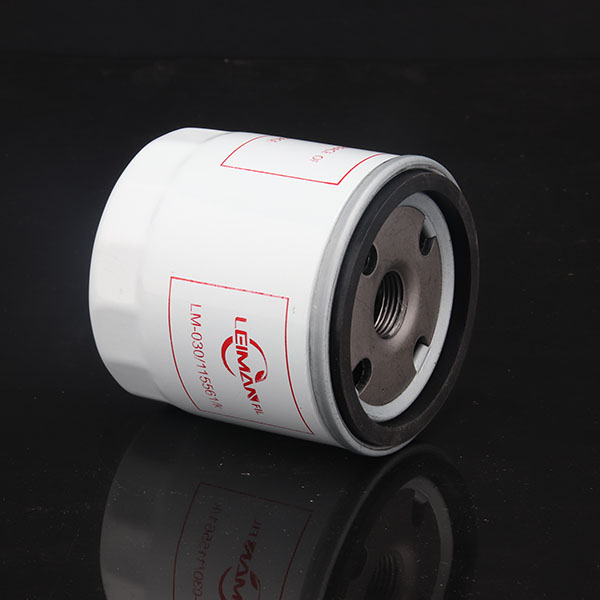
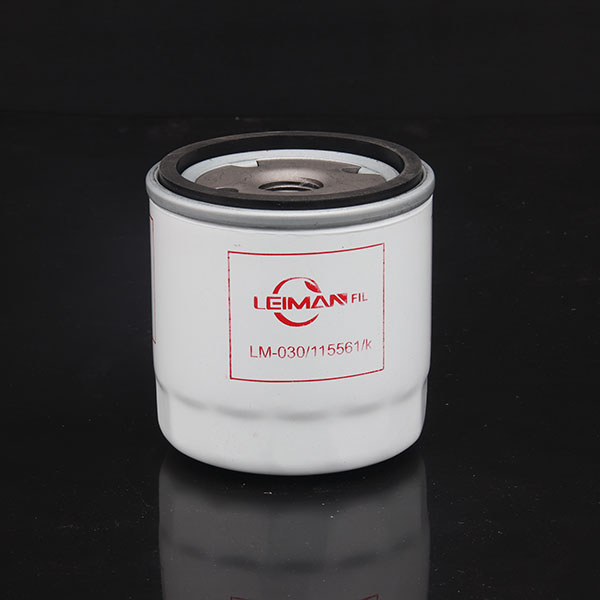
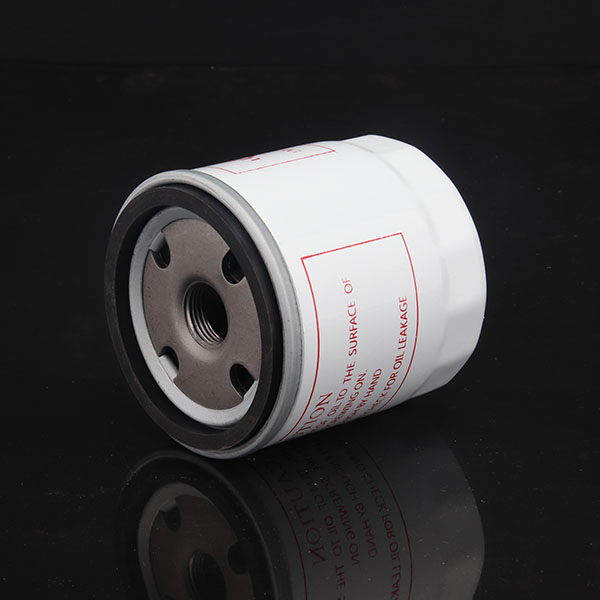
Sourcing from North China’s filtration belt—East of Anping County, Hengshui City, Hebei 053600—often means better access to mesh, wire, and media suppliers. Fun aside: some catalogs there list automotive parts too (I spotted “Spin On Oil Filter 0301155611k 115”). Different line, same obsession with flow and contaminants. It seems that cross-industry know-how helps.
Look for ISO 10121-2 or ASHRAE 145.2 test reports; for whole purifiers, AHAM AC-1 CADR and GB/T 18801 form the baseline. Some buyers also ask for UL/ETL electrical safety on the device and RoHS/REACH on media. In fact, many customers say they now refuse filters without a simple before/after VOC log—hard to argue.
Bottom line: pair HEPA for particles with a strong active carbon air filter for air purifier for gases. Test, don’t guess—your nose is honest, but the sensor is kinder.